Zenzic today confirmed the winners of its CAM Pathfinder Enable and Demonstrate competitions, including an automated excavator project led by plant hire firm Flannery and Gravis Robotics, and continued support for the Cambridge Connector bus project.
Delivered by the Department for Business, Innovation, Science and Trade (BIST), in partnership with Zenzic and Innovate UK, CAM Pathfinder was launched last October to drive the commercialisation of connected and automated mobility (CAM) in the UK.
The programme has four main strands – Mobilise, Demonstrate, Enable, and Feasibility Studies. Having announced the winners of the latter back in April, it has been a nervous wait for those competing for the larger prize pots. Nine successful Demonstrate or Enable winners (listed below) will now share a total of £17 million.
Enable is designed to help companies capitalise on near-to-market self-driving opportunities, while Demonstrate is intended to support CAM technologies from development and verification through to manufacturing and scaling.
CAM Comments
Industry Minister, Blair McDougall, said: “Britain’s autonomous vehicle sector is world-class, and with our Modern Industrial Strategy we’re bringing business and science together to support the innovators and businesses who are shaping the future of transport.

“By backing these cutting-edge technologies with the funding to scale up, we’re helping this innovative sector to drive growth and jobs in every part of the UK. I want to congratulate all the winners on their success and their role in reinforcing Britain’s leadership in this fast-growing industry.”
Mark Cracknell, Programme Director at Zenzic, added: “Today’s announcement builds on all of the fantastic progress made by CAM Pathfinder so far and puts the UK firmly in the driving seat when it comes to developing and deploying the CAM solutions of tomorrow.
“From construction to public roads and airside, these projects have the potential to transform UK businesses, create and safeguard hundreds of jobs, and further strengthen the domestic supply chain.”
CAM Pathfinder winners
The projects funded by Enable include:
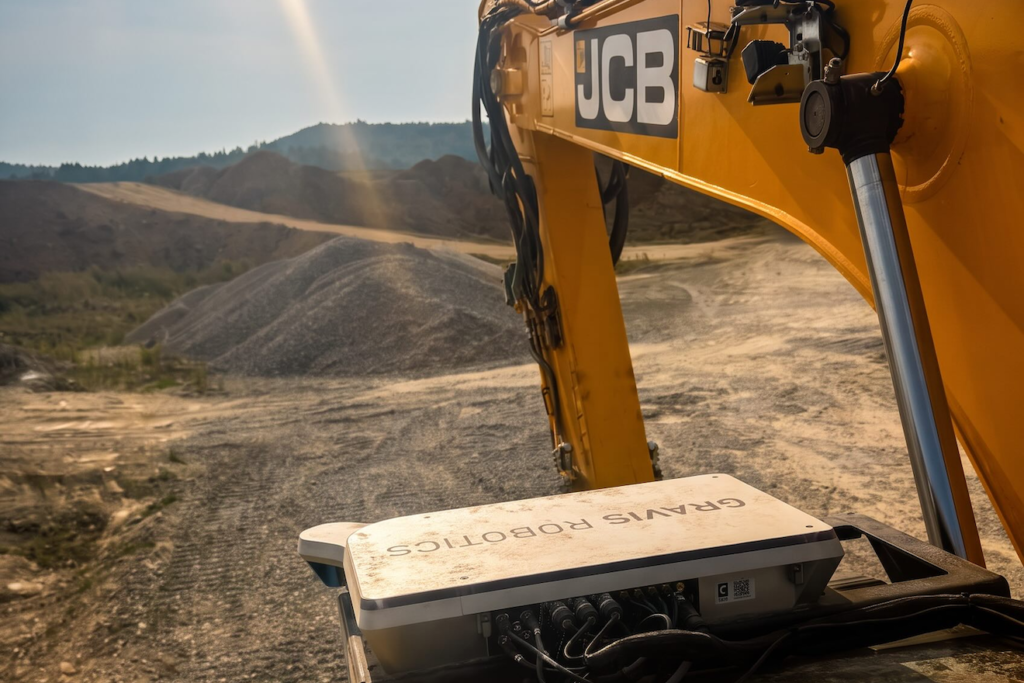
Highly Automated Excavators for Autonomous Earthmoving, led by Flannery and Gravis Robotics. This project will see the businesses trial a fully autonomous earthmoving system, enabling autonomous trenching, bulk excavation, and truck loading.
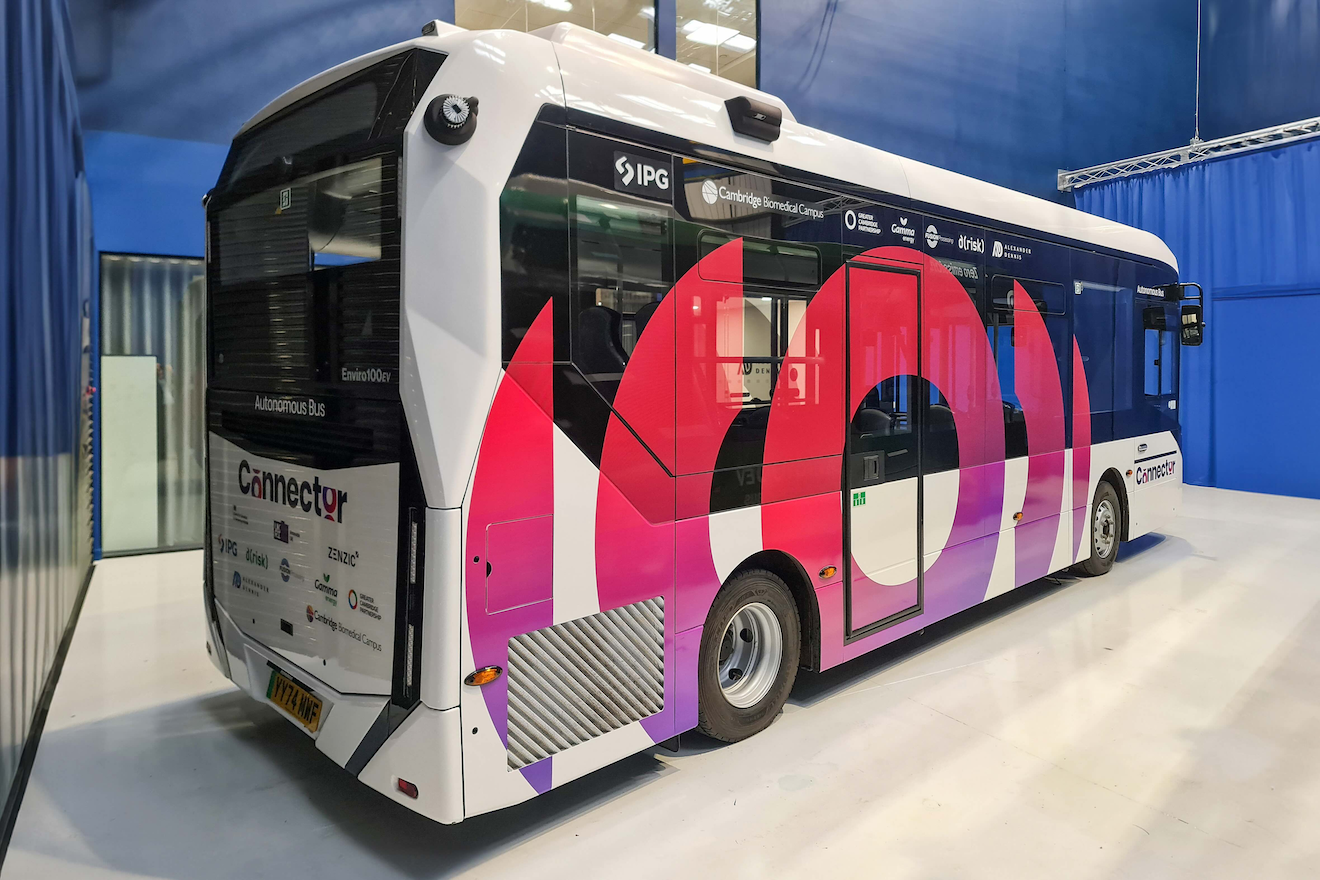
Commercialising Connector, led by Cambridgeshire County Council, in partnership with Alexander Dennis, Anthrometric Solutions, Coriva, Fusion Processing and Whippet Coaches. Building on the success of Cambridge Connector – featuring our reigning Self-Driving Vehicle of the Year, the Enviro100AEV autonomous bus – this project aims to progress the technology to SAE Level 4.
The projects funded by Demonstrate include:
Dynamic Braking for Autonomous Vehicles (D-BrAVe), led by Alcon Advanced Technologies with support from the University of Surrey and EVIE Autonomous. This project aims to deliver a Brake‑By‑Wire (BBW) system with Anti‑Lock Braking (ABS) and provisional Electronic Stability Control (ESC) specifically for No‑User‑In‑Charge (NUIC) L4 autonomous vehicles.
Airside Sentry, led by Aurrigo, in partnership with Warwick Manufacturing Group (WMG), with oversight from the Civil Aviation Authority (CAA). This project will design, build, and test a new autonomous vehicle before trialling it at Teesside Airport.
Accelerating the Development of L4 Autonomous Vehicles with Photorealistic Simulation at Scale, led by Five AI. This project aims to strengthen UK competitiveness by advancing tools and methods that support the commercial deployment of L4 AVs.
Automated Highway Maintenance Vehicles Phase 2, led by Ringway, Fusion Processing and Econ Engineering. This project will see the consortium develop and trial an Automated Impact Protection Vehicle (AIPV) and Automated Winter Gritter (AGritter) equipped with automated driving, crash‑attenuation systems, specialist highway maintenance functionality and integrated spreading control systems.
Driven by sound+, led by Calyo, in partnership with Benedex and Cranfield University. This project aims to explore and develop an all‑weather perception subsystem for reliable automated driving across environments.
Adventure, led by Nissan and WMG. This project aims to develop a city‑ready autonomous mobility service model enabling safe commercial deployment in urban environments.
5D Radar Perception for Intelligent Driving (5D RAPID), led by Oxford RF, in partnership with IPG Automotive, Ecosar Tech, Halo Drive, Coventry University and Cranfield University. This project aims to develop advanced 5D radar technology for safer automated driving, enabling cost-effective vehicle perception, and strengthening the UK CAM supply chain.
Congratulations from Cars Of The Future to all the winners. We look forward to following your progress!