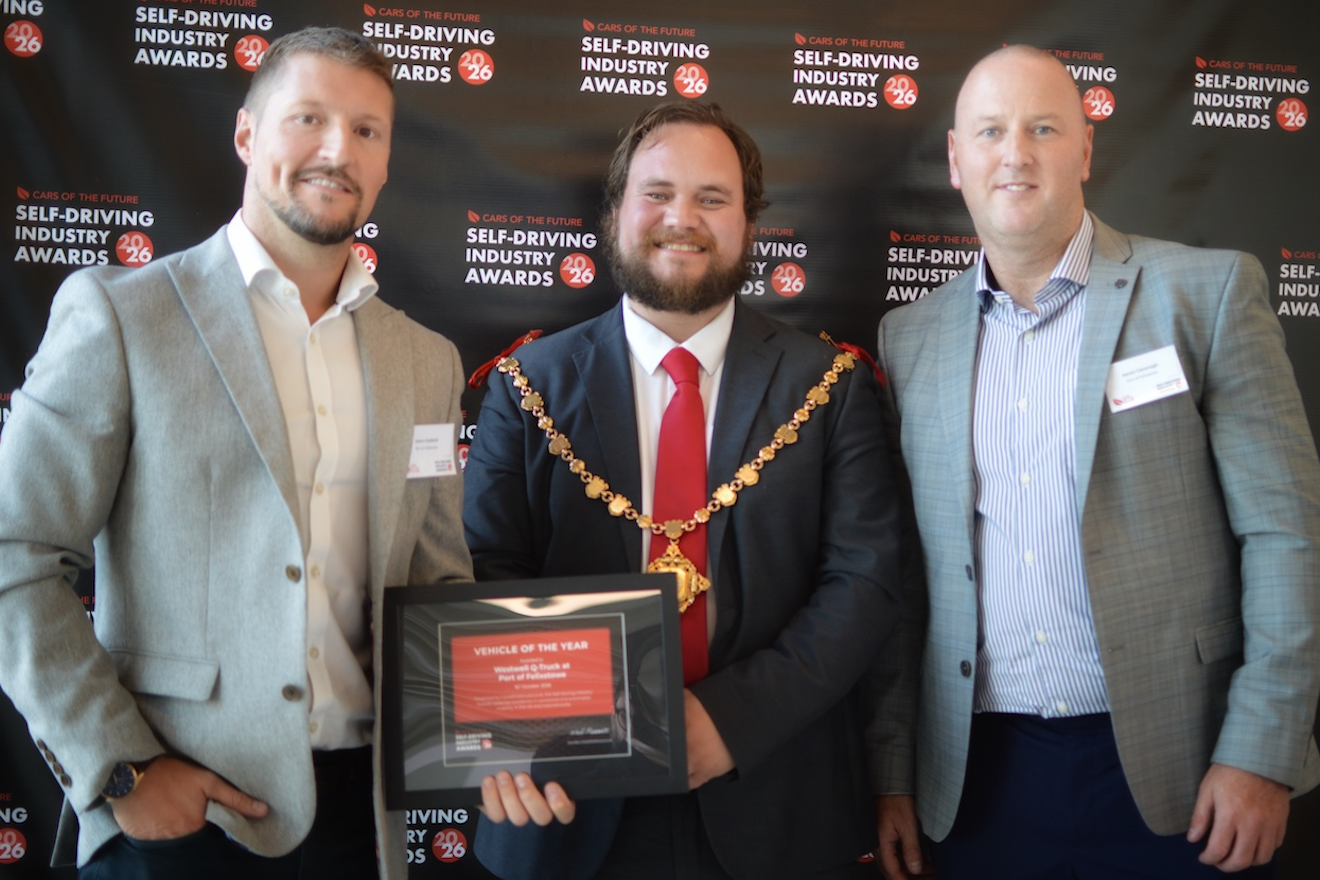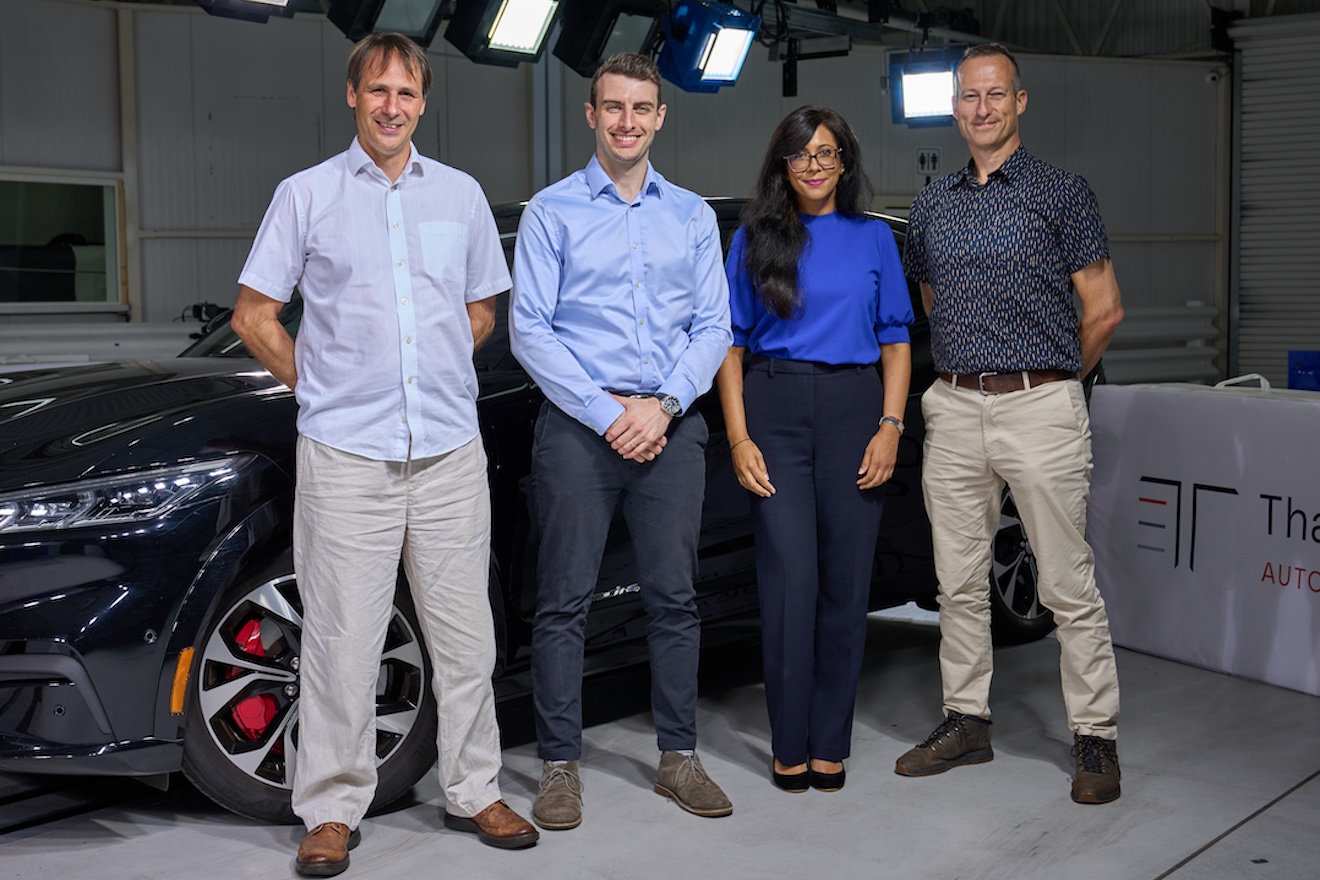
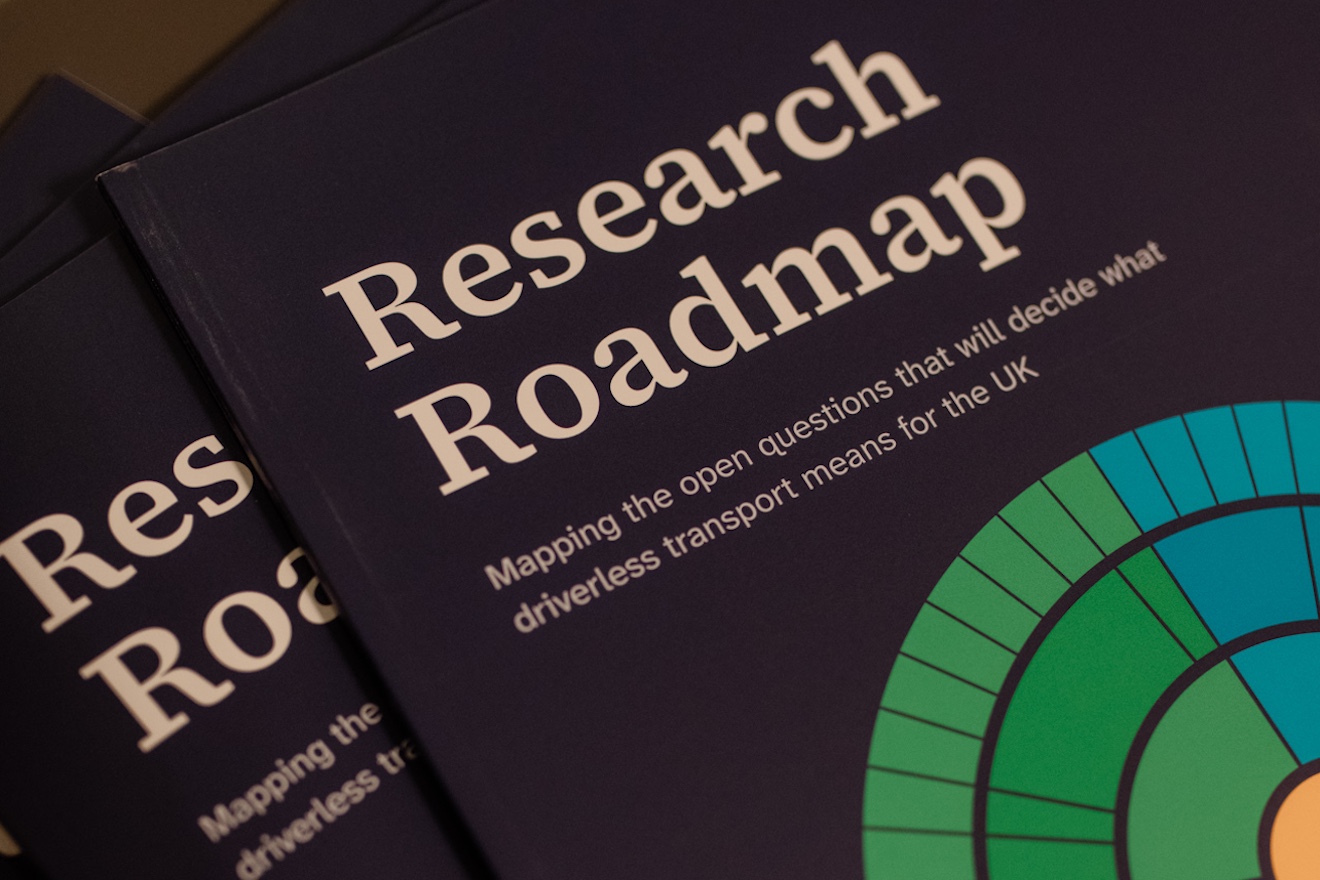
Hot on the heels of its Launchpad win at the 2026 Self-Driving Industry Awards, the Institute for Driverless Transport (IfDT) has published a new Research Roadmap setting out vital questions on everything from jobs to national security.
Over the course of six months, the IfDT reached out to local authorities, unions, insurers, lawyers and more to map “The open questions that will decide what driverless transport means for the UK.”
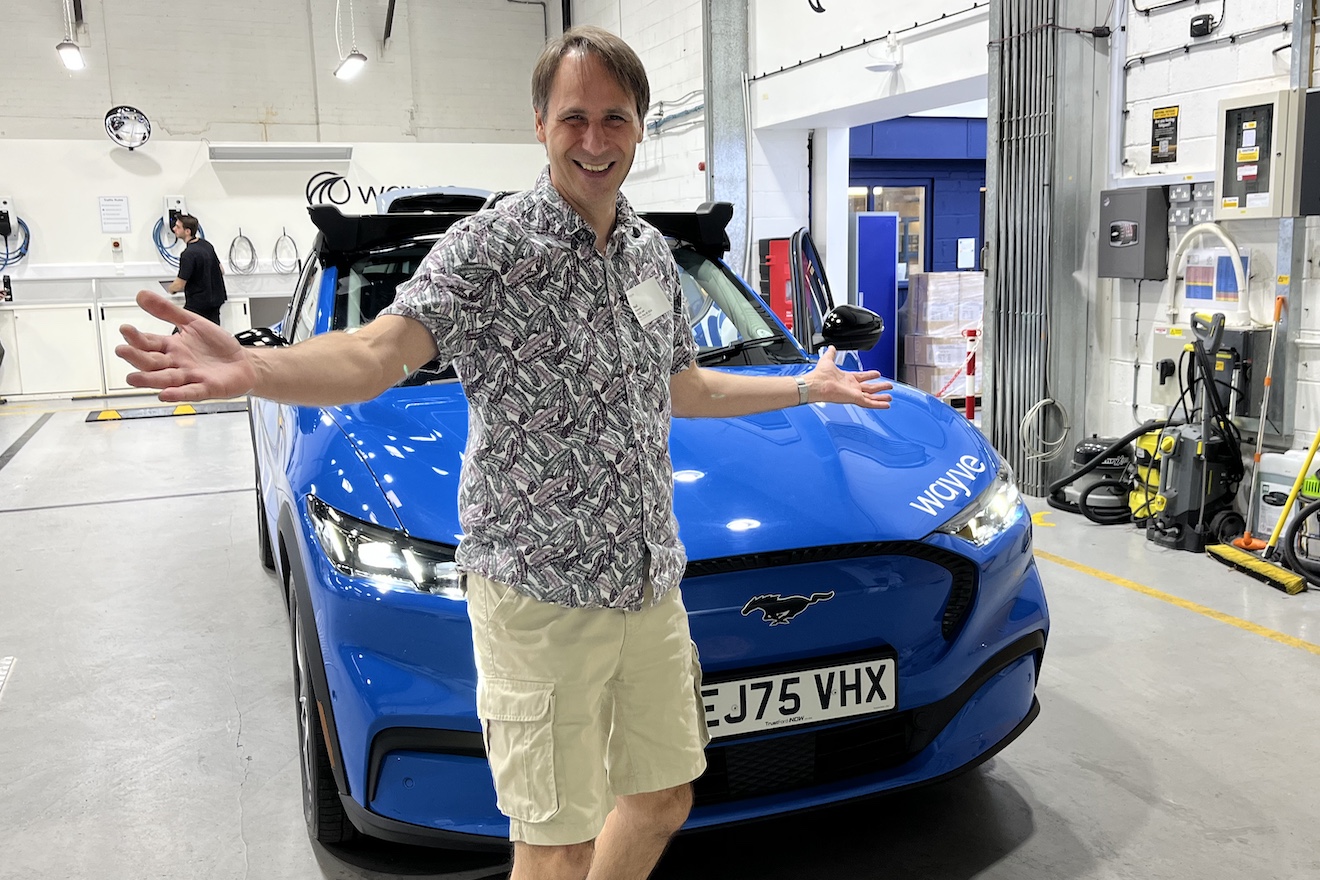
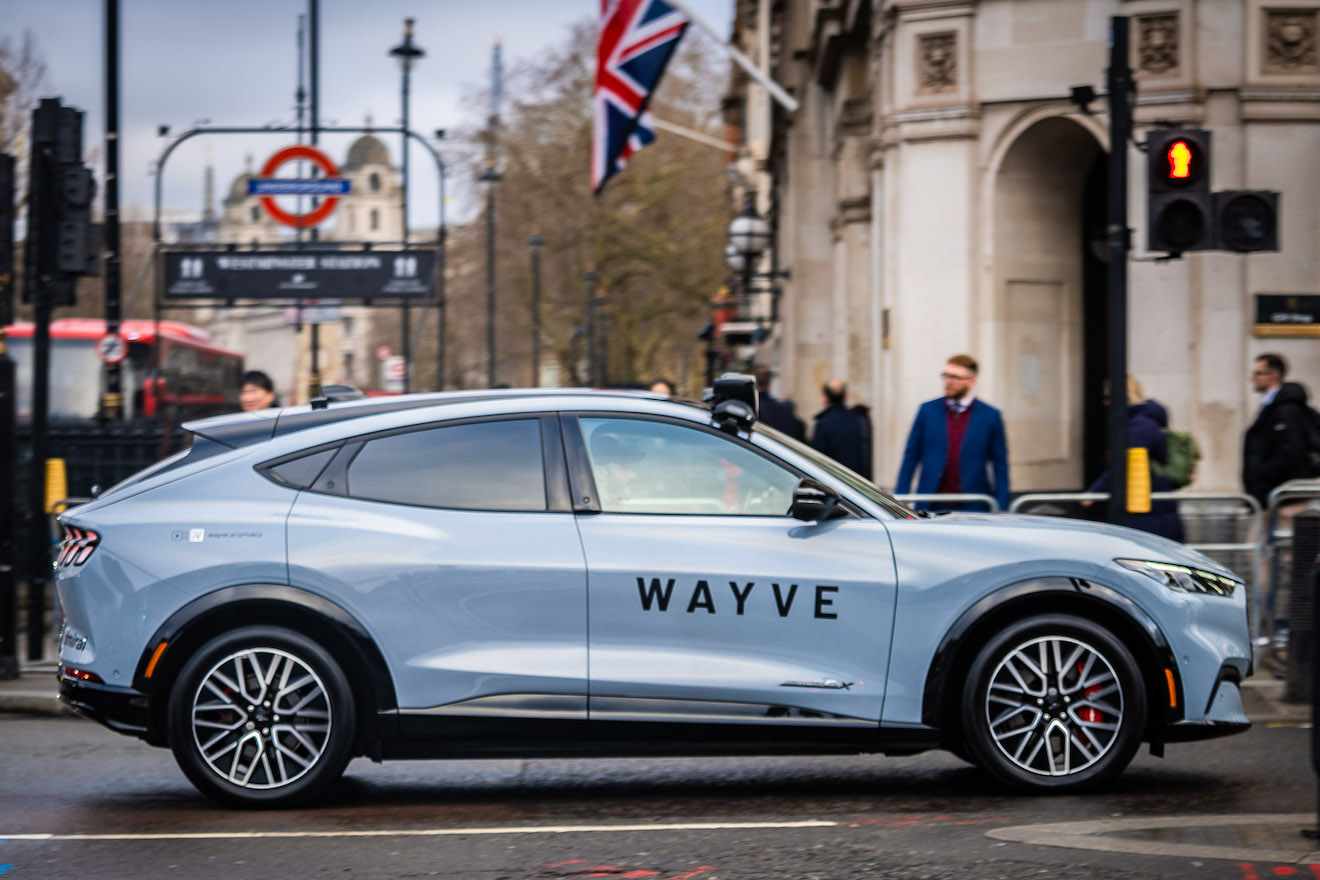
The first thing to say is the list is long. 65 questions long to be precise. Which, given Wayve and Uber are already live in London (with a safety driver), Waymo and Baidu are among others testing in the capital, and Uber, Pony.ai and Verne are getting started in Manchester, is rather a lot of unknowns.
Driverless questions
The Roadmap is divided into five areas: Economics & Productivity; Social Change; Job Displacement; Security & Geopolitics; and Speed of Rollout. Questions include:
- How quickly are AV costs likely to fall, and when could they become cheaper than existing transport?
- To what extent does professional driving form part of the UK’s employment safety net and how will this function be recreated if demand for professional drivers is significantly reduced?
- Will Britain become dependent on AV services for any key activities and what fallback options will exist if a supplier fails or withdraws?
- Which are the key public bodies that should already be anticipating the impact of AVs on their own work and who within those organisations should lead a response?
Roadmap launch
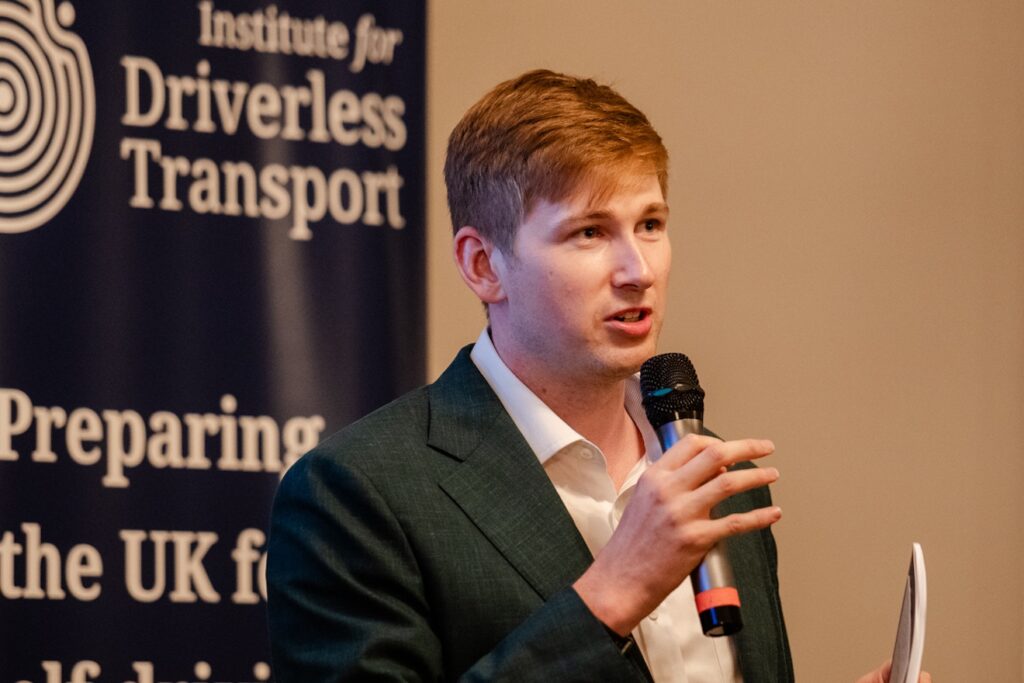
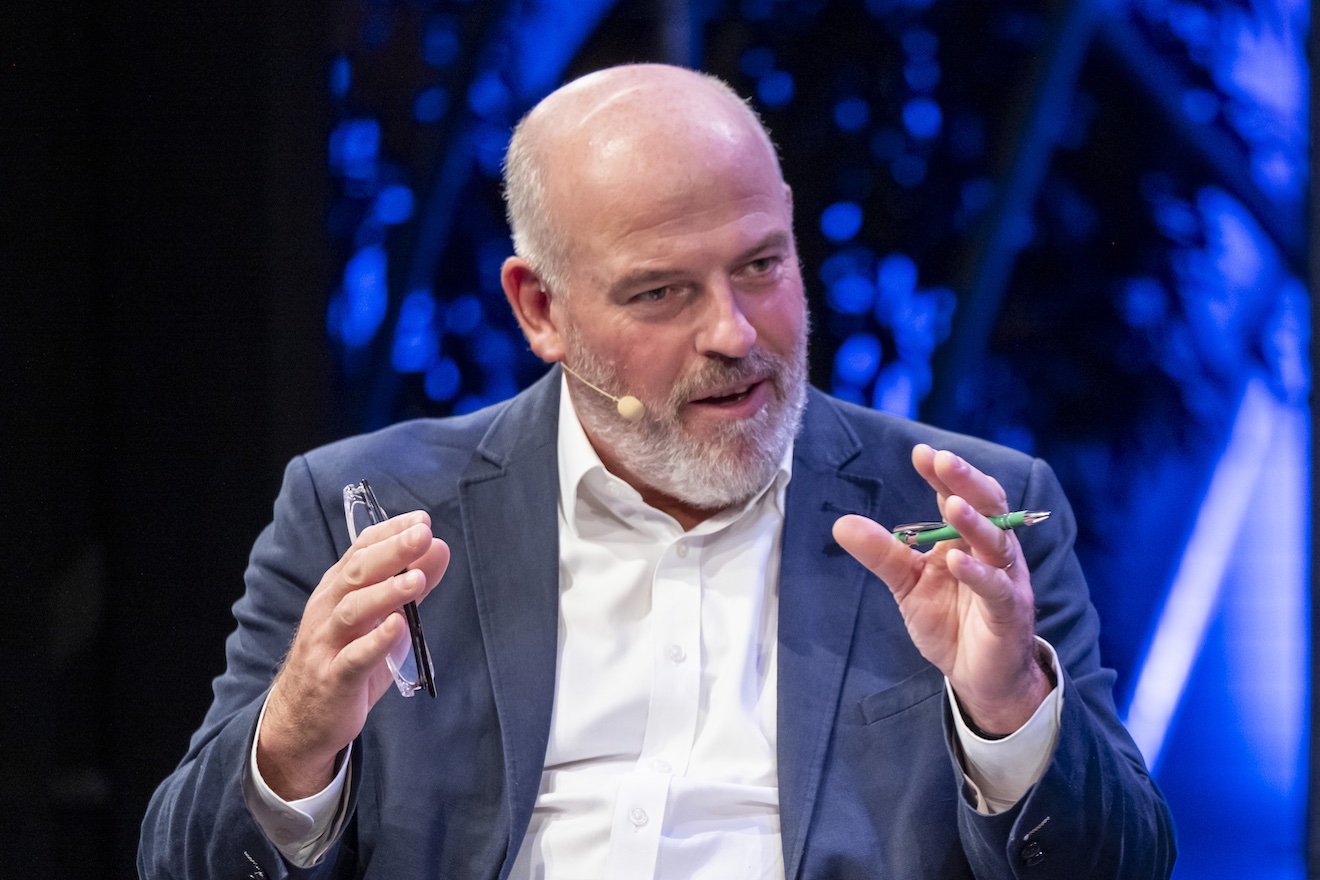
Speaking at the Roadmap launch in London, James Hutt, Co-Founder of the Institute for Driverless Transport, said: “What struck us most in the interviews was how far this reaches – into jobs, public services, the built environment and national resilience. The people who know those areas best are rarely part of the conversation about AVs yet.
“Our next step is to bring funding and researchers together with the businesses and public bodies that need answers. If you can fund research or offer a place to test it, we would like to hear from you.”