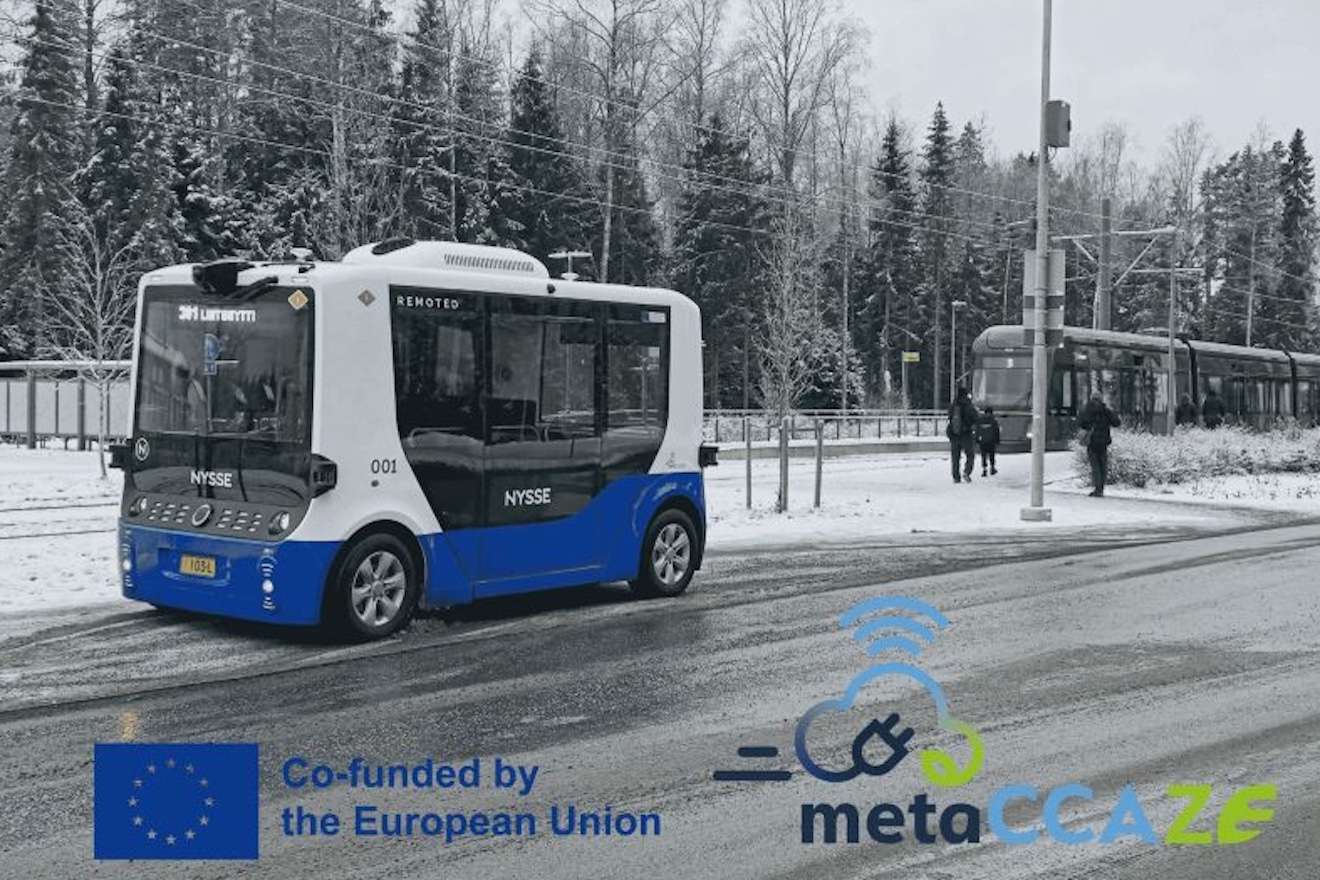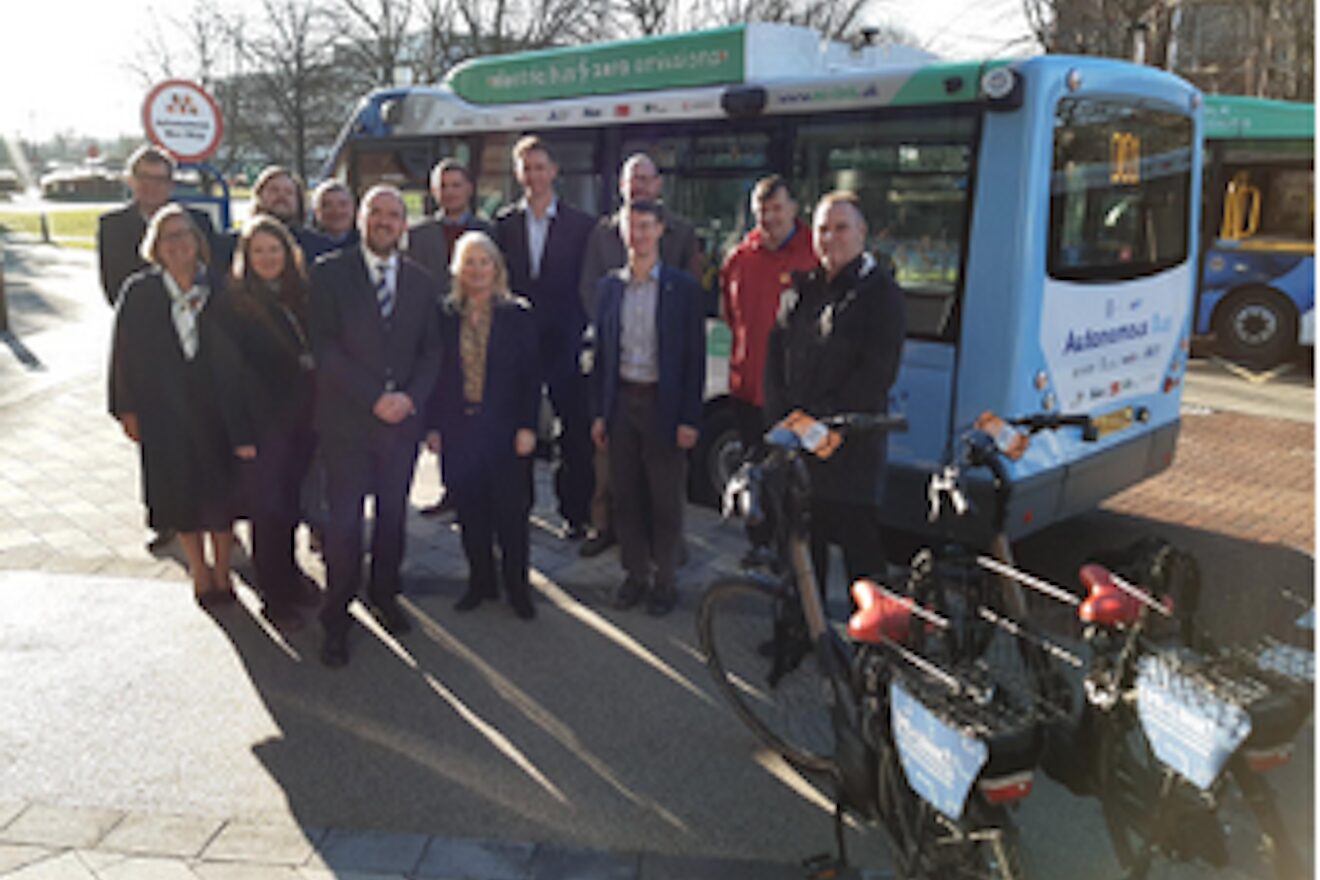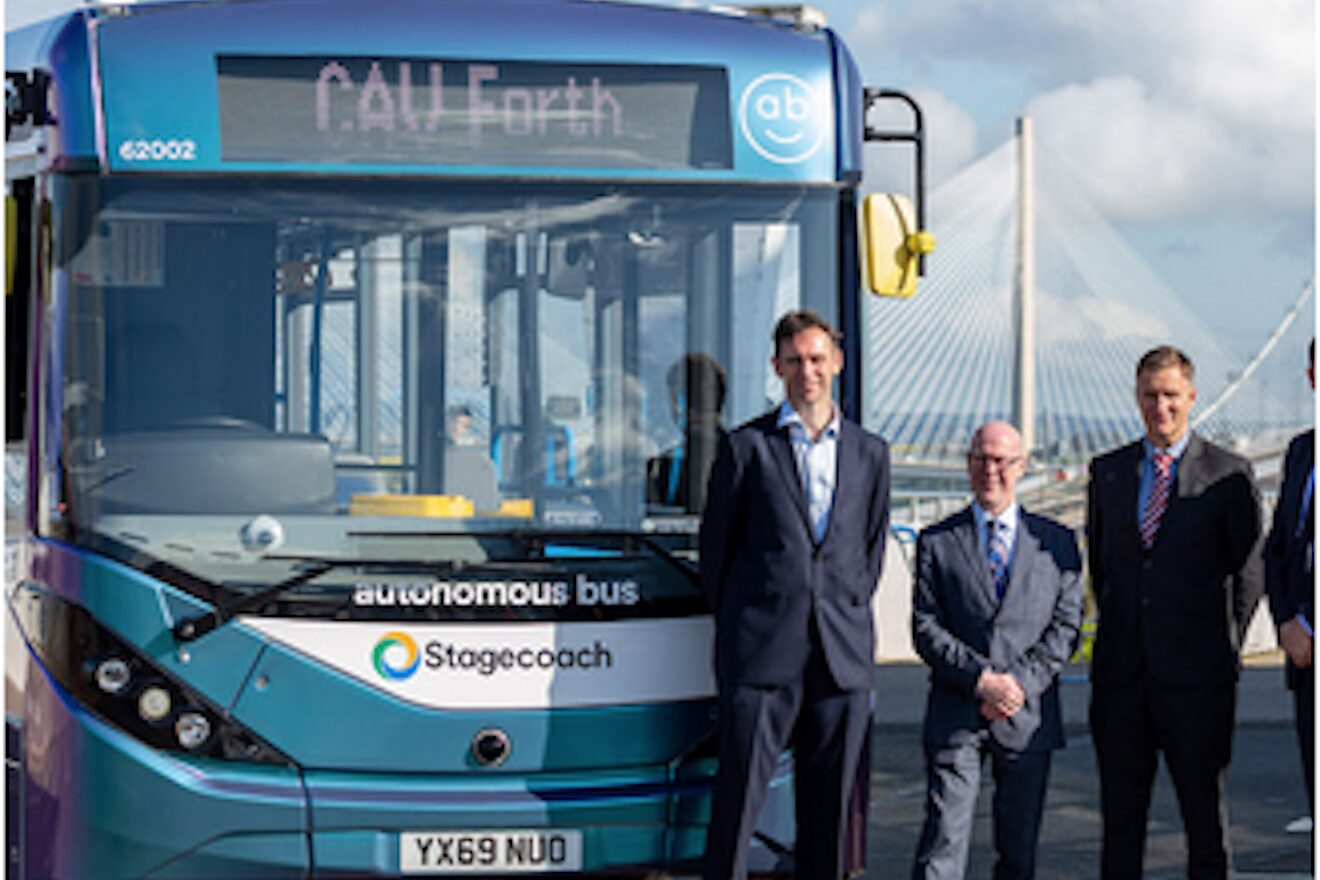
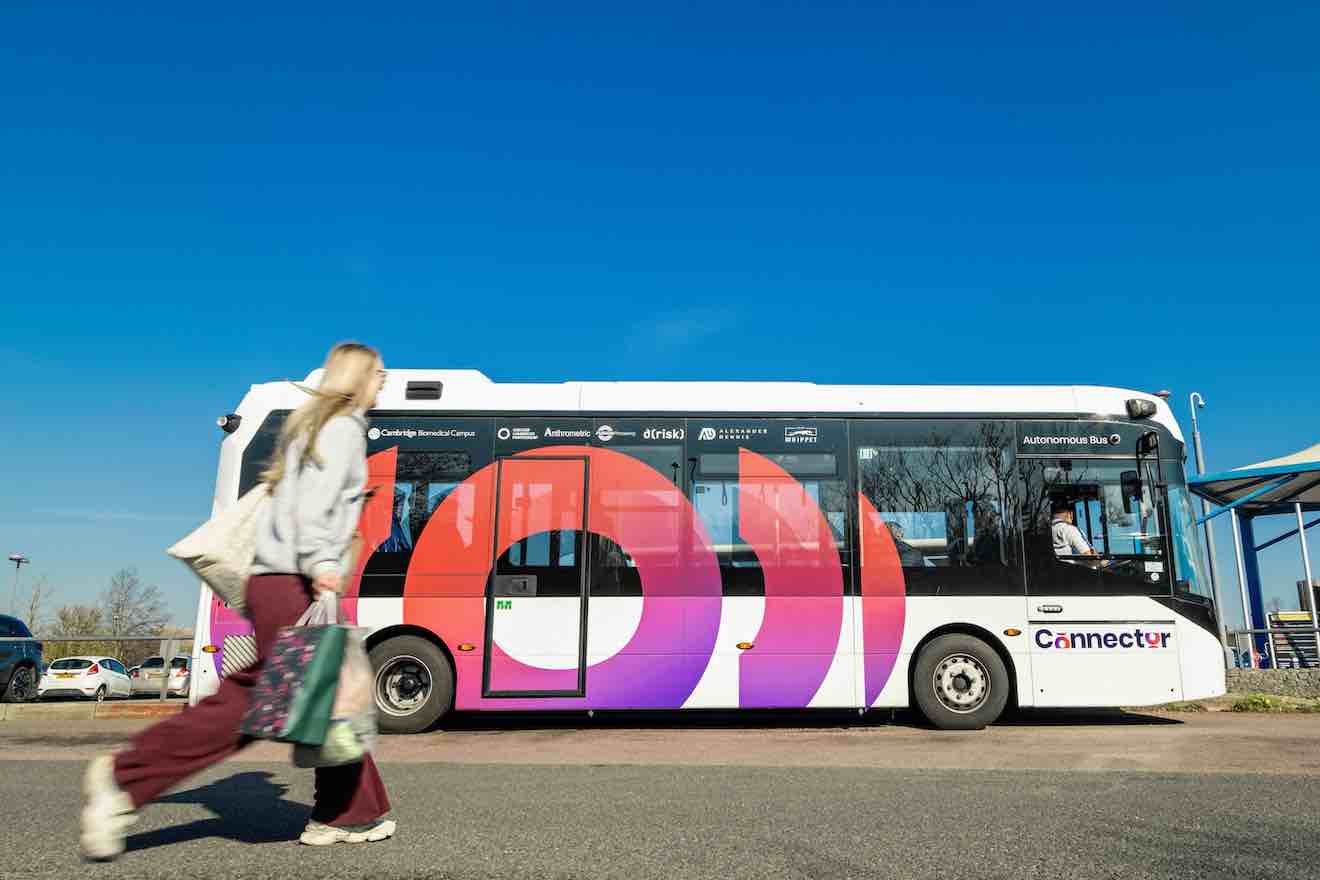
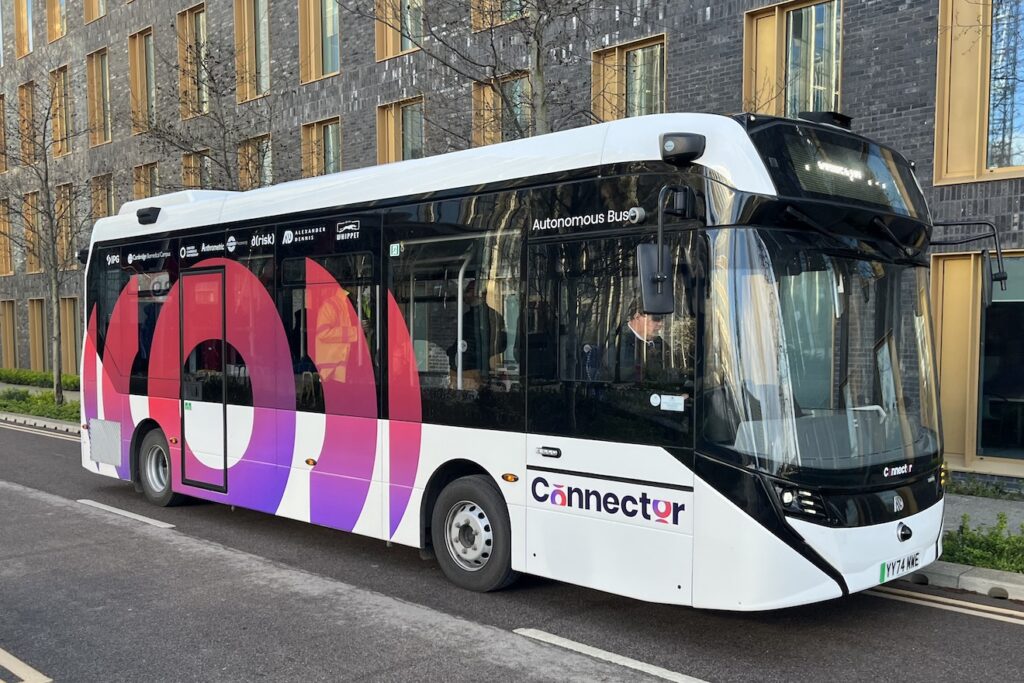
Following our first on-road ride in the award-winning Enviro100AEV autonomous bus, members of the world-leading Cambridge Connector consortium set out a compelling near-future mobility vision – one where exceptional British-made self-driving vehicles unlock the social and economic potential of towns and cities nationwide.
We’ll delve into the detail in a moment, but let’s start with the line of the day. Summing up the appeal of accessible, affordable, reliable public transport, Jamie Wilson, Head of Concepts and Advanced Engineering at Alexander Dennis, had this message for our beleaguered politicians: “Buses win elections!”
The theory was certainly borne out in May’s local elections, with the Green Party achieving record gains after leader Zack Polanski backed free fares for young people.
It will face another interesting test in the upcoming Makerfield by-election. Andy Burnham, the Mayor of Greater Manchester, is standing for Labour, and, if successful, looks set to challenge Sir Keir Starmer for the top job.
Burnham famously brought buses back under public control, with The Greater Manchester Combined Authority (GMCA) and councils gaining power over routes, fares and timetables. He was also supportive of repurposing an old railway corridor in Bolton to run autonomous shuttles.
That’s exactly the kind of practical everyday service that voters notice, which perhaps explains the support for Cambridge Connector from both national and local government.
Self-driving bus consortium
“The focus for us is safety first, then improving operational costs and the passenger experience,” said Wilson. “We very much believe in a multiple stakeholder approach, with the bus being just one part of the system.
“Busways are much lower cost than rail, so there’s definite potential to open-up new routes, to provide new services in areas where that’s currently economically unviable. We also argue that this is critical national infrastructure, so there are clear cybersecurity benefits of having vehicles designed and built here in the UK.”
Dan Clarke, Head of Technology and Innovation at the Greater Cambridge Partnership, added: “An important part of the project for us is proving the safety case and exploring potential cost benefits. Could we use autonomous systems to extend operating hours, to provide round-the-clock services?”
To help understand the human factors, the lived experience for passengers, Connector partnered with another Self-Driving Industry Award winner, Professor Clare Mutzenich of Anthrometric.
“We’re the glue of the consortium,” she said. “Everyone is involved in the human factors work – the original equipment manufacturers (OEMs), the operator, the service provider, and the local authority.
“We’re interested in all aspects, but particularly passengers with protected characteristics. There are 16 million disabled people in the UK, nearly a quarter of the population, and then there’s the people who travel with them, so this is a vital area of research.
“We use virtual reality (VR) headsets to explore, for example, how taking the driver out might impact them, ways to keep a human in the loop. That’s an essential part of the business case.”

The bus way
On the cutting-edge technologies, Jim Hutchinson, CEO at Fusion Processing, explained: “We provide the automated driving system (ADS), both software and hardware. We’re an automotive tier 1 supplier and we’ve been working in the autonomous vehicle space for over ten years, back to 2015 and the Gateway project.
“We’ve got a great partnership with Alexander Dennis, working closely with them on CAVForth in Scotland, this Cambridge Connector project, and also at the TFL depot in London. With the next Pathfinder funding round, we’re looking to move to serial production.
“Some of the best commercial opportunities are in public transport, where there’s a strong case for using autonomy. We’re ambitious; trying to solve core transport problems like accessibility and congestion – proving that our CAVstar system can work in all scenarios, running vehicles up to 50mph, and testing without a safety driver on private roads.
“Cambridge Connector brings a lot of that together. We have deliberately chosen a very challenging route on the basis that, if we can do it here, we will be well-placed to be part of the transport system in many other places.
“We’ve been running autonomously on-road every week since Christmas, making improvements all the time, with third party audits of our safety decisions. We’re proud to be one of very few companies who do that. By the end of 2027, when regulation allows, we could have a very wide operational design domain (ODD).”
Sounds good, right? Vote with your feet.