
Described as a call to action for cross-sector collaboration, 19 February 2026 saw the launch of a new Advanced Propulsion Centre UK (APC) and Zenzic report, ‘Future of Mobility: Vision for 2040’, supported by an online webinar.
“This joint initiative seeks to address the convergence of net zero and Connected Automated Mobility (CAM) missions towards a sustainable transport ecosystem, delivering economic growth, environmental regeneration, and universal access,’” explained Dr Hadi Moztarzadeh, Head of Technology Trends at the APC.
“By 2040, mobility will no longer operate in silos. Instead, it will function as a unified, orchestrated system where journeys are predictable, affordable, and accessible.
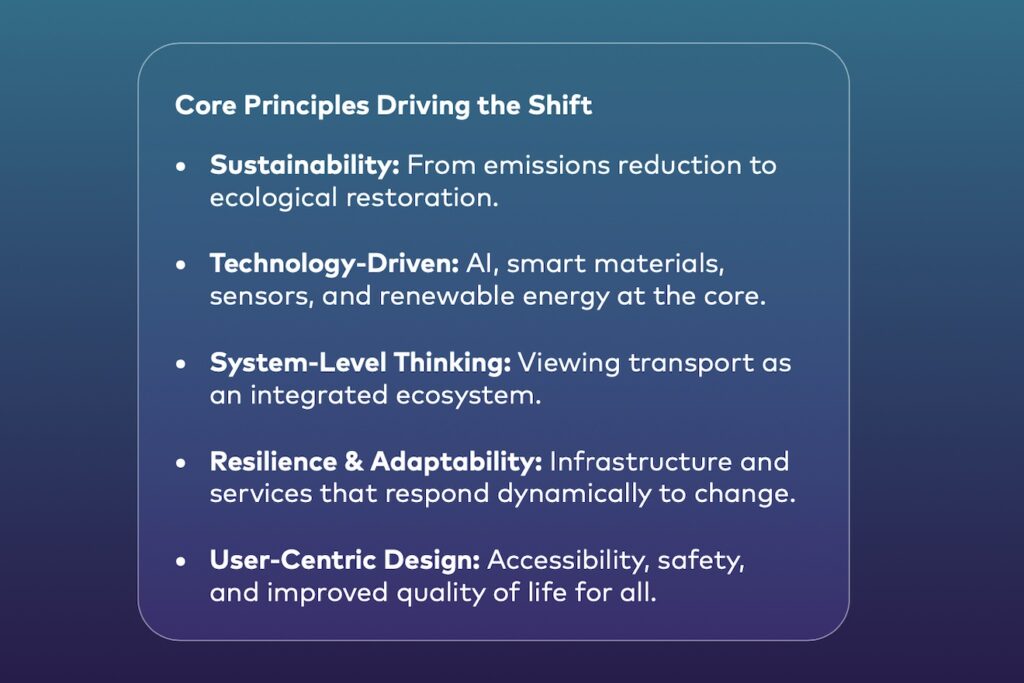
“Achieving this requires foundational shifts, which are enabled by four interconnected pillars outlined in the report that define the future ecosystem: Orchestrated Intelligence, Regenerative Mobility, Living Infrastructure, and Inclusive and Resilient Mobility.”
Talking future mobility
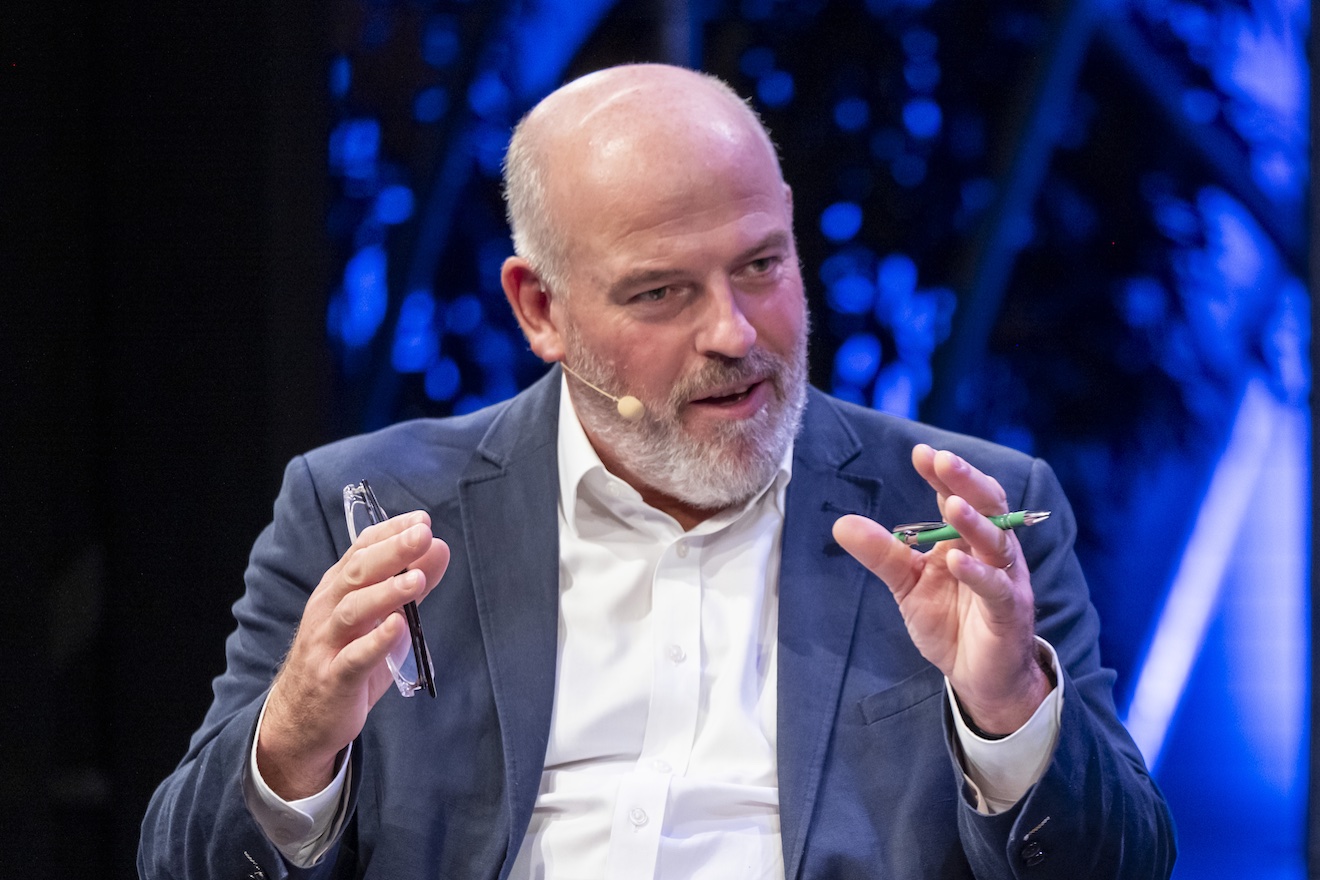
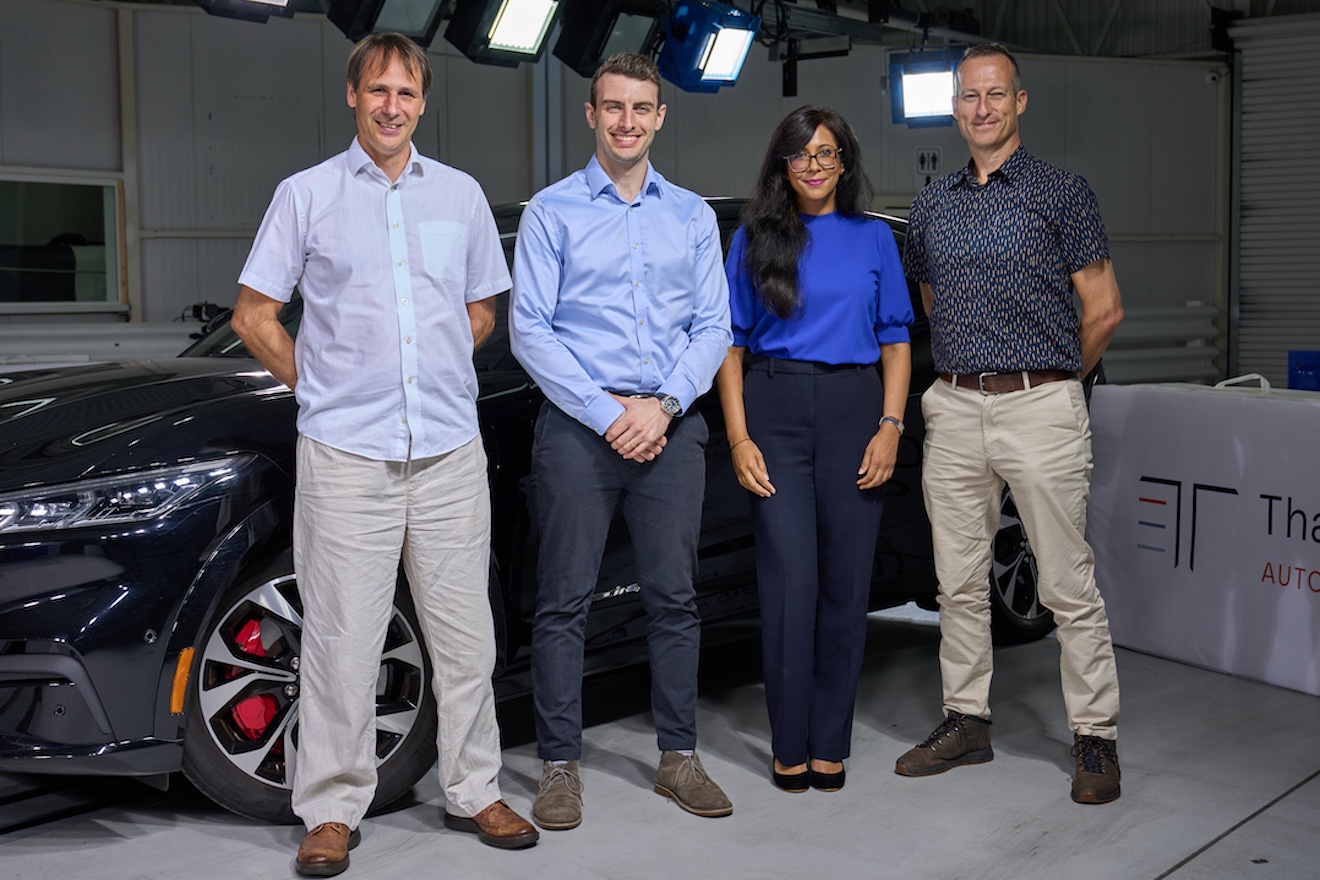
The webinar featured a wide-ranging panel discussion, hosted by Francis McKinney, Head of Technology at Zenzic, and featuring Madeline Cheah of Cambridge Consultants, Yunus Jabalpurwala, Head of Innovation at Honda R&D Europe (and a member of the Auto Council’s CAM working group), Sophie Lane of the Aerospace Technology Institute, Rebecca Posner of the Research Institute for Disabled Consumers (our inaugural Self-Driving Consumer Champion), and the SMMT’s David Wong.
Highlighting the “increasing volume and sophistication of attacks”, Cheah described cybersecurity as “a social technical” issue, with challenges specific to automotive as a result of the long, 10-year plus, lifecycles of vehicles, compared to, say, smartphones.
Continuing the cross-sector theme, Jabalpurwala pointed out that Honda not only makes cars, but also robots and now rockets. He spoke of “the amalgamation of industries”, including the need for co-ordinated system-level thinking across automotive, telecoms and energy.
In terms of net zero, Wong referred to ‘the four Rs’ in relation to electric vehicle (EV) batteries – repair, reuse, remanufacture and recycle.
Posner asserted that mobility must be seen as a right, a means by which to access work and education, for example. Calling for improved knowledge-sharing, “this is about accessibility, but also affordability”, she said. “Early models around robotaxis indicate that fares could actually be higher than traditional services.”
It was a welcome and rare mention of autonomy. We’ll come back to that. The discussion then turned to software-defined vehicles (SDVs), privately owned cars, over-the-air (OTA) updates and integrated services.
Also seeing cross-industry commonalities, Lane highlighted the shared interest in “smarter materials and lighter weight materials” in manufacturing. Perhaps most interestingly, she described airports as “mini cities which will adopt all of these technologies”.
Self-driving references
We asked a question: “Please can we talk a bit more about the role of automated vehicles in this future?” Time was admittedly short, but it went unanswered.
There’s undoubtedly a lot of good stuff in the 35-page Future of Mobility report, but strangely only two references to self-driving.
On p12, under Orchestrated Intelligence, it recommends leveraging AI and automation “not just for self-driving vehicles but for holistic network optimisation”.
On p29, under the next steps for Telecom & Cloud Providers, it mentions: “Zenzic project partner ADASTRA feasibility study pilots self-driving shuttles in rural hubs, addressing connectivity and inclusive transport access”.
While greater focus on the convergence of net zero and CAM is, of course, welcome, we’ll need a lot more detail on the many pressing AV-related questions.
You can’t argue with the report’s conclusion though: “To strengthen the UK’s position in global trade, government and industry collaboration is essential for improving supply chains and boosting exports.
“The bottom line, transport is becoming deeply integrated with other aspects of life, optimized through technology and systemic thinking. If this trajectory holds, policies must evolve in harmony with these changes. If not, we risk constraining opportunities for innovation.”
The full Future of Mobility: Vision for 2040 report is available here.