In an important administrative moment for UK self-driving, on 22 May 2026, the government officially opened the application process for operators looking to run self-driving passenger services.
A joint press release from the Department for Transport (DfT), the Centre for Connected and Autonomous Vehicles (CCAV), and Minister for Roads and Buses, Simon Lightwood MP, emphasises that this applies to both “taxi and bus-style self-driving vehicles… across Great Britain”.
“Self-driving vehicles represent a transformative opportunity for Britain, opening up independent travel for disabled people and older adults, while driving growth and creating high-skilled jobs across the UK,” said Lightwood.

“This pilot scheme brings that future closer, giving passengers the opportunity to experience self-driving travel first-hand while ensuring safety always comes first,” he continued.
“Local transport authorities, such as Transport for London (TfL), will also need to provide local consent to ensure services reflect local priorities.
“The government is working closely with safety and accessibility experts as it develops the regulations needed to safely bring self-driving vehicles to British roads.”
Society of Motor Manufacturers and Traders (SMMT) chief executive, Mike Hawes, described the move as a significant milestone in the safe and responsible rollout of automated vehicles on British roads.
“For the first time, legislation will allow operators to offer passenger-carrying commercial services – such as robotaxis – to the general public,” he said.
“Government’s decision to bring forward this legislation has positioned Britain as a leading European market for automated vehicles and a frontrunner in physical AI investment, development and deployment.”
The usual stats were duly trotted out…. automated passenger services representing a market expected to be worth £3.7 billion annually in Britain by 2040… human error currently contributing to 88% of collisions on UK roads.
Self-driving industry reaction
Sarfraz Maredia, Global Head of Autonomous Mobility and Delivery at Uber, said: “This is an exciting and important step toward launching autonomous vehicles in the UK.
“London has long been a pioneering city for Uber, where we’ve launched some of our biggest innovations… and we can’t wait to give people in the capital the chance to experience autonomous rides this year.”
Those last two words are noteworthy as there has been increasing speculation that timelines for roll-out in 2026 are slipping.
Ben Loewenstein, Head of Policy and Government Affairs for the UK and Europe at global leader Waymo (the company formerly known as the Google Self-Driving Car Project), said: “The UK is leading the way in enabling the safe deployment of pilot autonomous vehicle services.
“We hope to soon become part of London’s transport network and demonstrate the safety, accessibility and sustainability benefits of battery-electric autonomous vehicles through the government’s pilot scheme.
“We are working closely with the DfT and TfL to ensure our operations align with their goals.
“Waymo is serving riders in eleven major metropolitan areas in the US, providing over 500,000 rides each week. We are excited to bring our world-leading, fully autonomous ride-hailing service to the UK and help make transport in London safer and more accessible.”
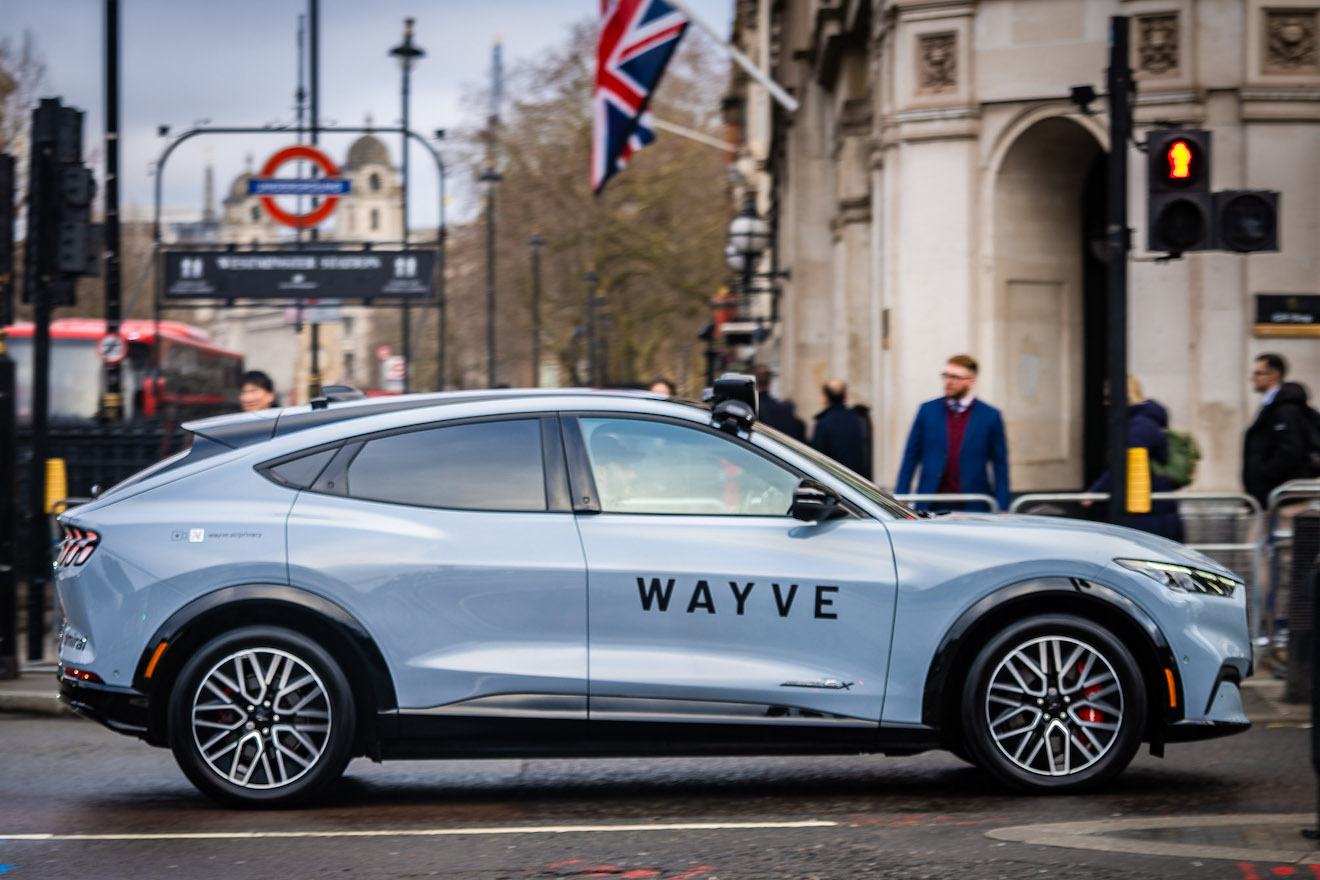
Sarah Gates, VP, Global Affairs and Assurance at London-based Wayve, said: “The UK has all the ingredients to become a global leader in the deployment of self-driving vehicles and today’s launch of the automated passenger services scheme marks an important milestone.
Wayve has been developing its technology in the UK for nearly a decade, and we’re excited to bring our supervised passenger service to market here this year.”
Those two words again!
Gates concluded: “Self-driving vehicles represent a generational opportunity to make road transport safer, more accessible and more convenient for millions of people.
“Beyond the societal benefits, this sector also has the potential to drive significant economic growth — revitalising the UK’s industrial base, creating high-skilled jobs and strengthening the country’s position as a world-leading technology ecosystem.”