
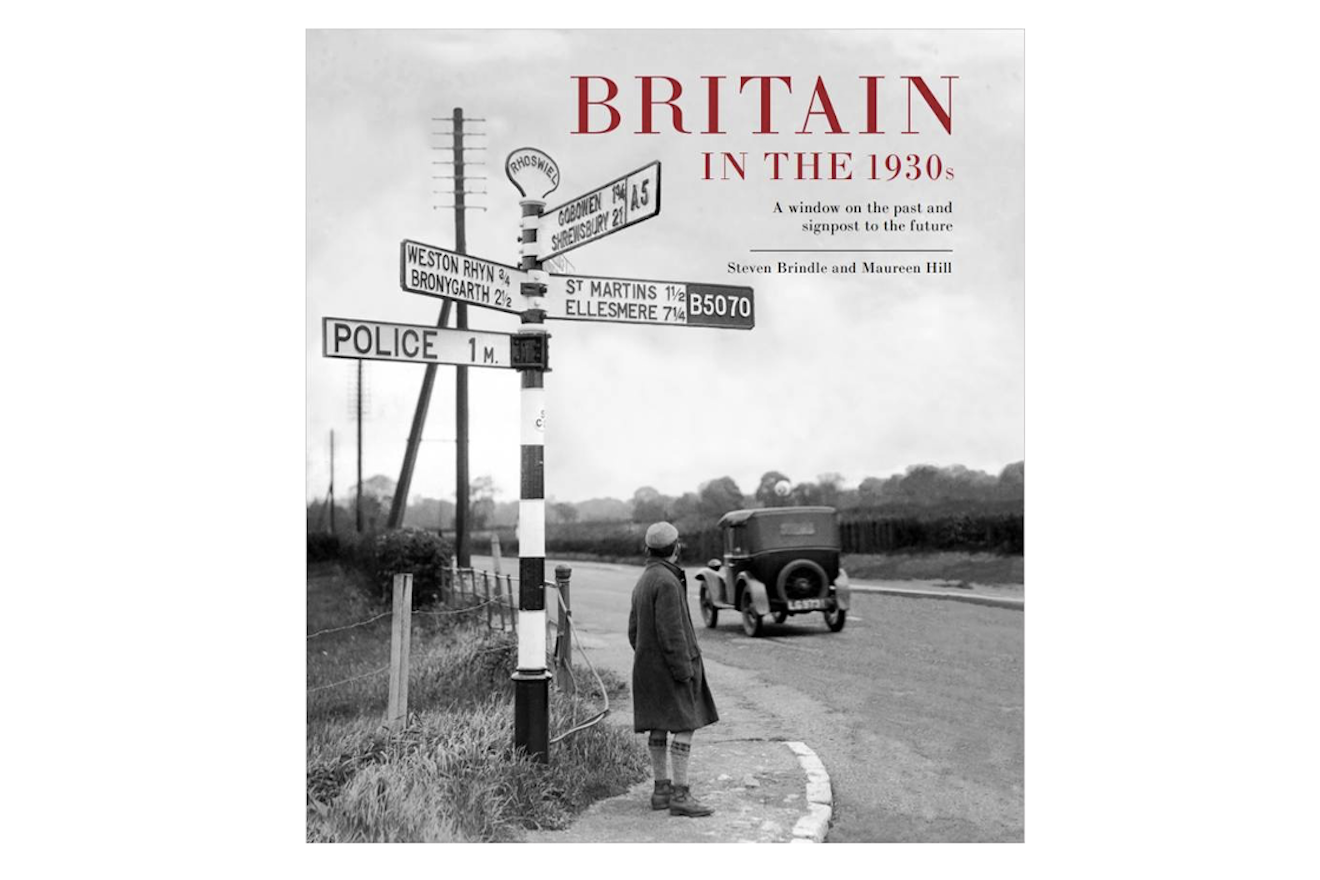
As we stand on the cusp of widespread AV adoption, this Cars of the Past feature looks back 100 years to another revolutionary chapter in the history of road transport, with the help of a fantastic new book, Britain in the 1930s, by Steven Brindle and Maureen Hill.
Across 616-pages and 900+ images, it beautifully documents the shift to mass car ownership, reminding us that, not so long ago, motoring itself was new, exciting and a little scary.
Popular cars
While high-end models like the Siddeley Limousine and Bentley Sports Tourer remained the preserve of the rich, more affordable cars like the Austin 7 and Morris Bullnose became huge hits with the middle classes. Events such as the RAC’s 1,000-mile rally in 1932 gripped the national imagination.
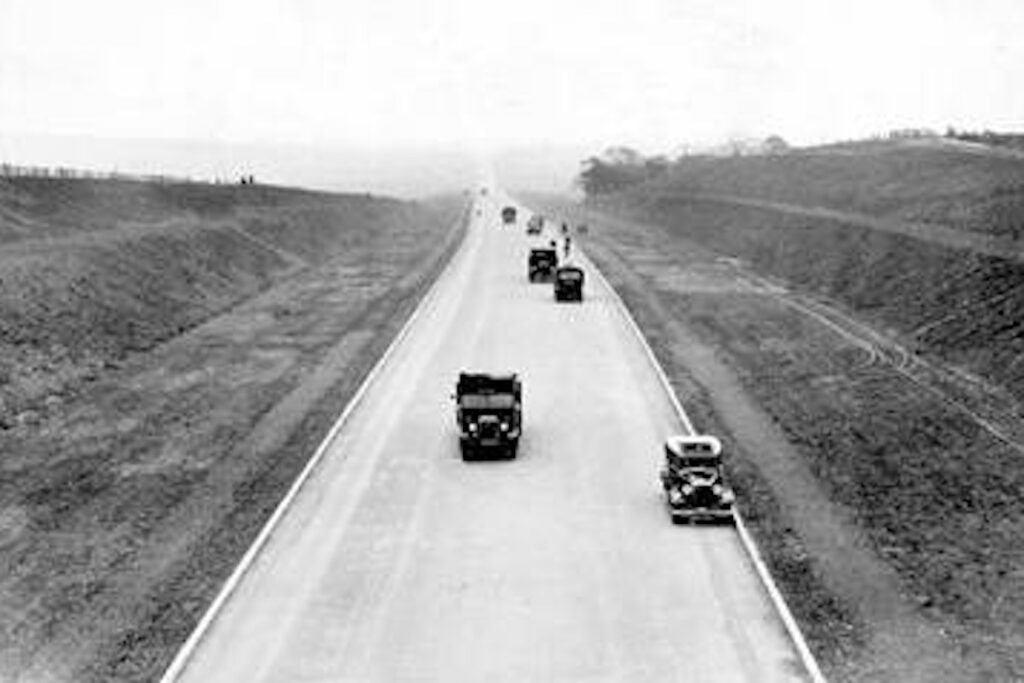
Brindle explains: “Before the Great War, cars were for the rich. By 1922, Britain had 183 manufacturers. For those sitting behind the wheel with a powerful engine in front and an open road ahead, driving could still be regarded as a heady but innocent pleasure, as we sense in the literature of the age.
“Long-distance driving in the 1930s involved fun, freedom, glamour, forward planning, the ability to read a map, physical toughness and stamina, mechanical competence in case of emergencies, and an occasional frisson of danger.”
Road safety
Indeed, as this picture from Sheffield shows, road casualties we already causing concern.
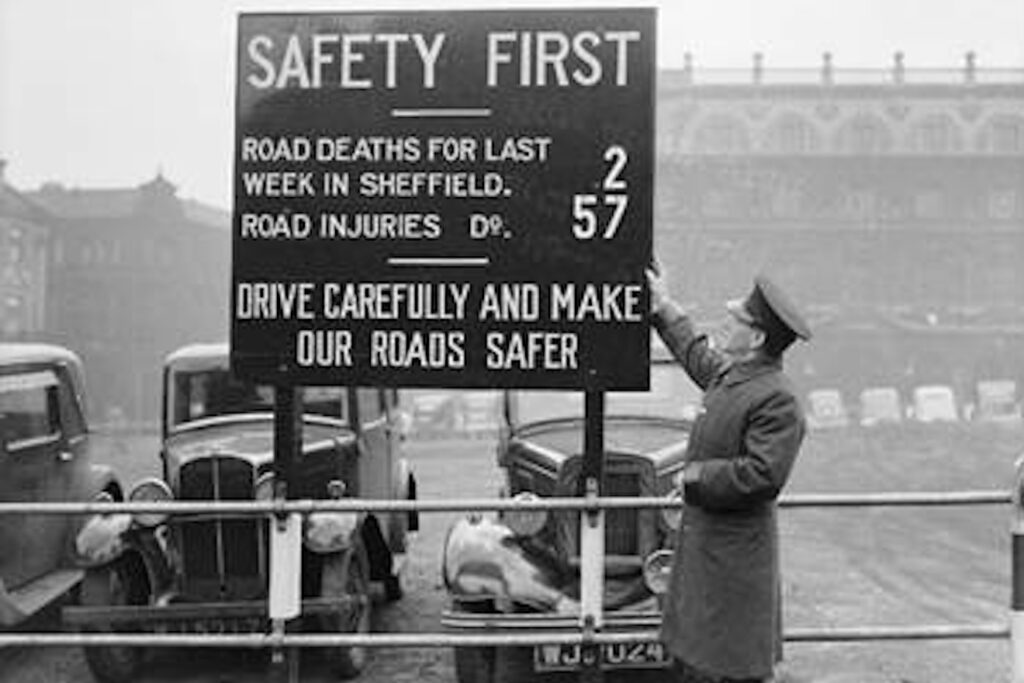
With UK private car ownership roughly doubling from one to two million across the decade, traffic congestion soon became a hot topic for urban planners. However, it would take another half century for the health threat of exhaust fumes to be officially recognised.
As we approach the end of 2026, there are only 9,700-12,000 electric Level 4 cars on-road worldwide, mostly robotaxis in America and China, according to Robots Count.
How many might there be by 2030, or 2040? And how will this era be judged in 2126?
Produced by Atlantic Publishing, Britain in the 1930s is available to buy now… and Christmas is just around the corner!