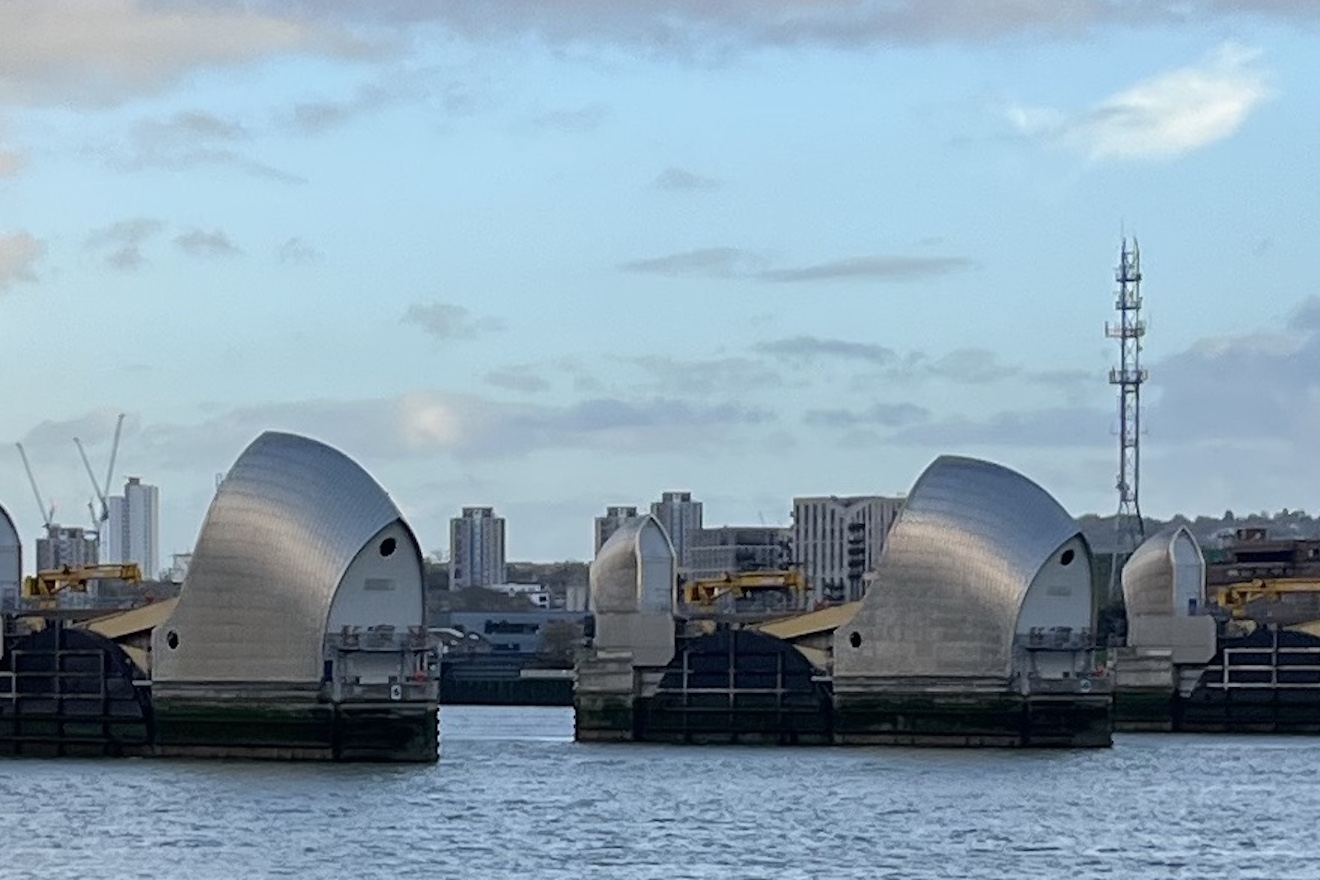
Reflecting on the amazing electric vehicle innovations we’d just seen at the London EV Show at Excel, a thought-provoking stroll by The Thames Barrier proved the perfect prelude to that evening’s SDV All-Party Parliamentary Group (APPG) event, Beyond the Capital: Building Consent for Self-Driving.
Hosted at the Palace of Westminster on Wednesday 18 November, sponsored by Chris Curtis MP, and supported by Hanbury Strategy, it featured the Labour MP for Edinburgh South West, Dr Scott Arthur, who sits on the Transport Select Committee.
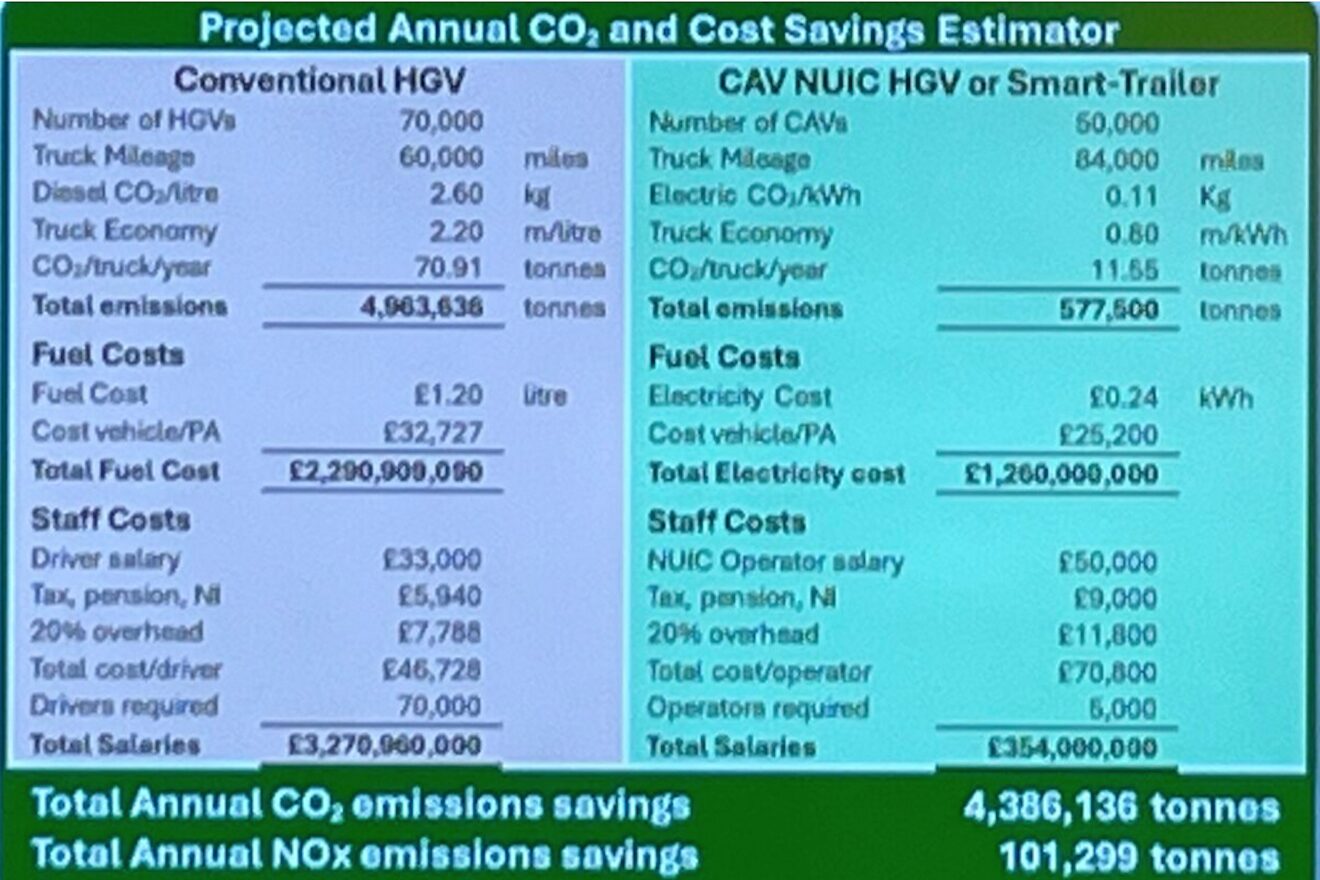
Describing the transition to automated vehicles as “inevitable”, Arthur informed the Group that he had been in a self-driving car and had discussed the subject with his constituents. Their two biggest concerns: the impact on jobs and the cost of services.
SDV APPG panel
Matt Robinson, of techUK, led much of the session. He urged the industry to debunk myths, praised it for reaching out to minority groups, and posed questions about trust and compliance to the technology leaders present, notably Bob Bateman of Nissan, Daniel Quirke of Wayve, and Jamie Hodsdon of Waymo.
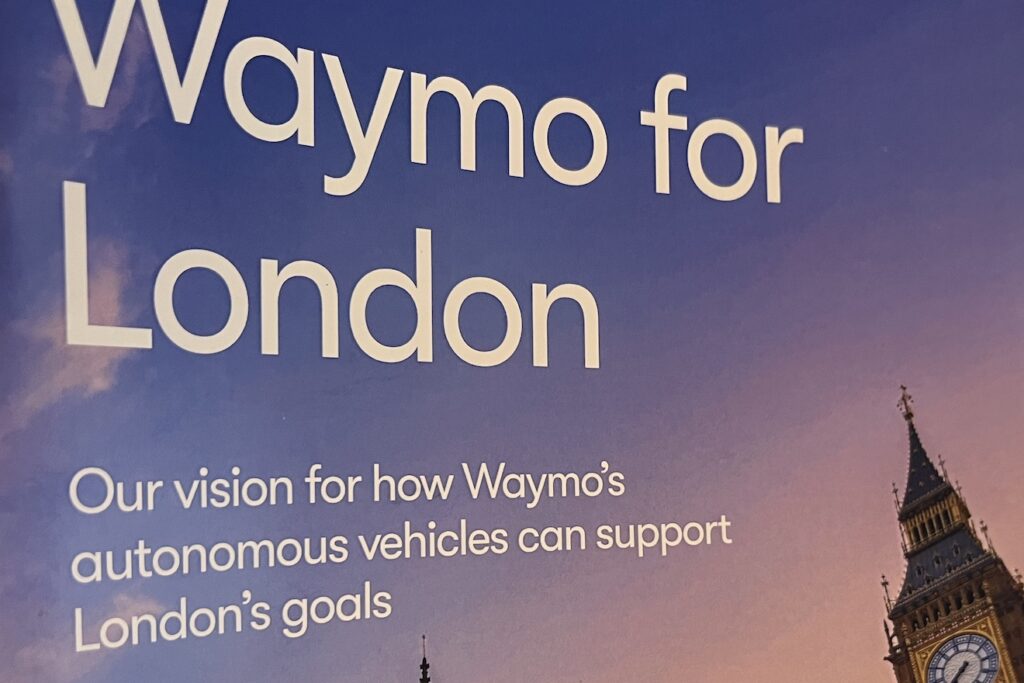
Hodsdon highlighted a new whitepaper setting out “How Waymo’s autonomous vehicles can support London’s goals”, as well as their new accessibility network, which includes the Royal National Institute of Blind People (RNIB), among others.
“There’s a reason Waymo came to London – it’s the regulatory regime, the AV Act, all the work by the Law Commissions,” he said. “Once people have taken a ride that makes such a difference, they are much more reassured.”
Encouragingly, a new RNIB survey of blind and partially sighted people found that, while the majority are still reluctant, 29% would like to have a go in a driverless vehicle.
Quirke updated the Group on Wayve’s work with Transport for London (TfL) and other combined authorities “To understand what they need and give them the confidence to approve it”, including services beyond robotaxis.
Robinson emphasised the need to standardise processes across councils, while keeping the flexibility to apply local knowledge.
Bateman highlighted Nissan’s involvement in the Adventure project to trial autonomous passenger services on public roads in Cambridge. “Start small but think big,” he advised. “We can fill transport gaps in rural areas and the 24h opportunity is huge.”
The last word went to Self-Driving Industry Awards judge Dr Nick Reed, of Reed Mobility, who suggested that the Department for Transport (DfT) could help local authorities by “setting the metrics of what good looks like”.
Barriers to acceptance
What’s the relevance of the Thames Barrier, you might ask. Well, before it became widely regarded as a modern marvel, essential infrastructure, “One of the engineering wonders of the world”, according to Queen Elizabeth II, it faced strong criticism, largely on the grounds of disruption and costs. Remind you of anything?