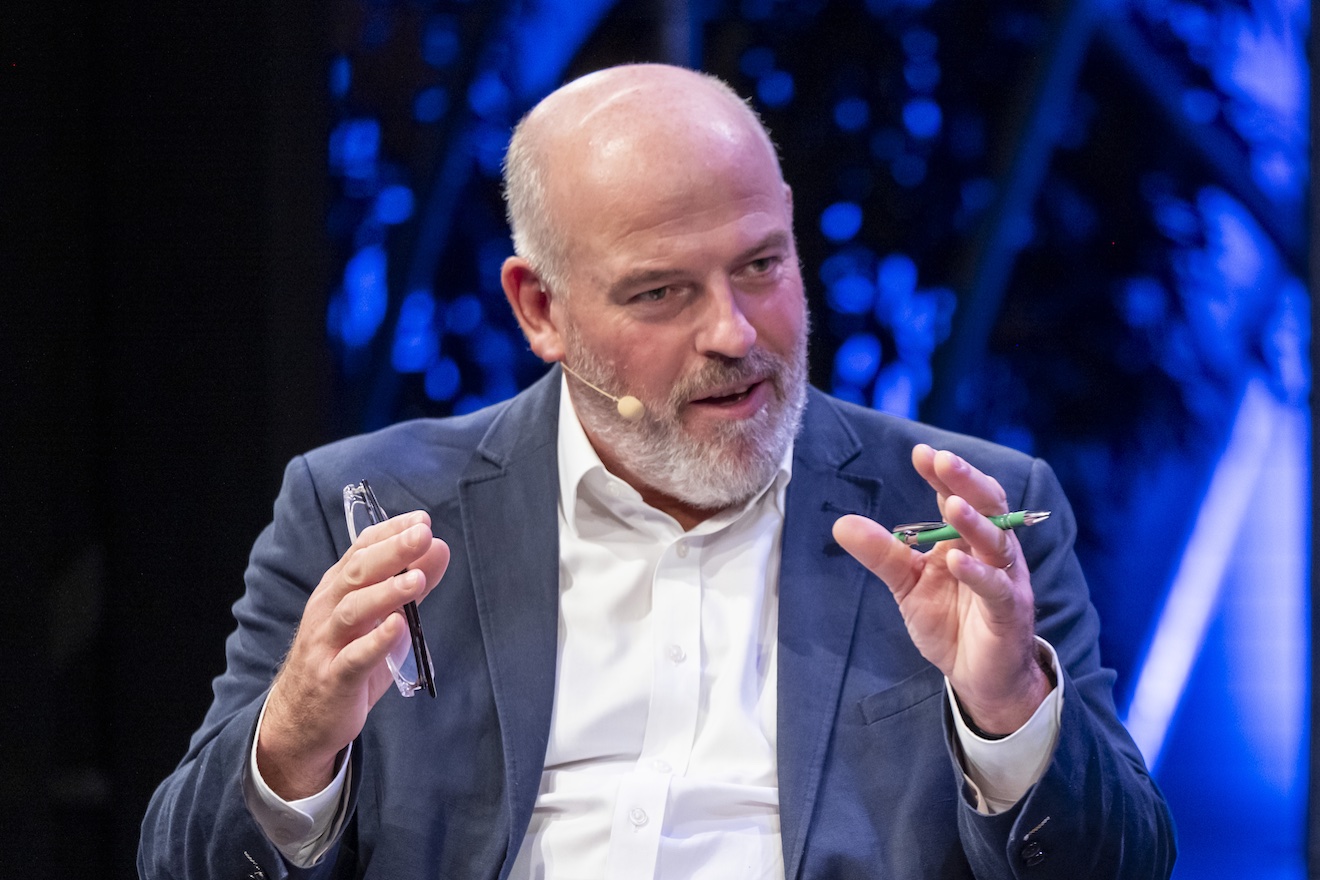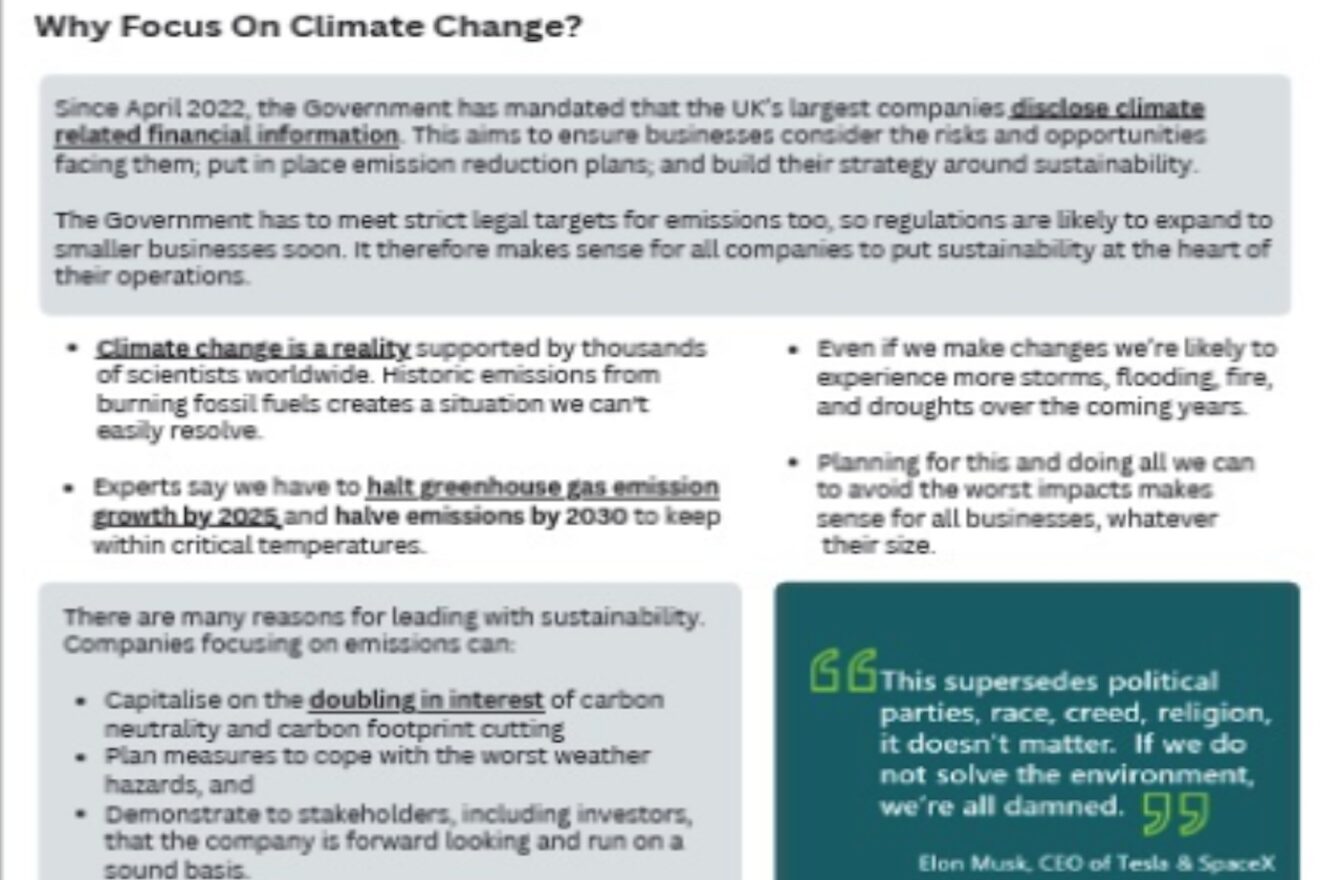

With ride-hailing giant Lyft joining the self-driving taxi race in London, in partnership with Baidu, we sat down with Danny O’Gorman to talk private hire vehicles, black cabs, fleet management and more.
Danny, let’s start with your role at Freenow and your work on self-driving…
It’s a very exciting time for all of us at Freenow. I’ve been GM for Ireland for two years and, for just over a year, the whole UK as well, focusing mainly on taxi and private hire vehicles (PHVs), and increasingly on our new autonomous vehicle (AV) service.
When I joined, the business was owned by BMW and Mercedes, and then last year we were acquired by global mobility platform, Lyft.
Freenow operates in 180 cities across Europe – in Ireland, the UK, France, Spain, Germany, Austria, Italy, Greece and Poland – and we’re currently working with the Lyft team to transition the brand from ‘Freenow by Lyft’ to Lyft.
On the AV side, we’ve been working very closely with UK regulators, such as the Centre for Connected and Autonomous Vehicles (CCAV) and Transport for London (TfL), to progress our plans.
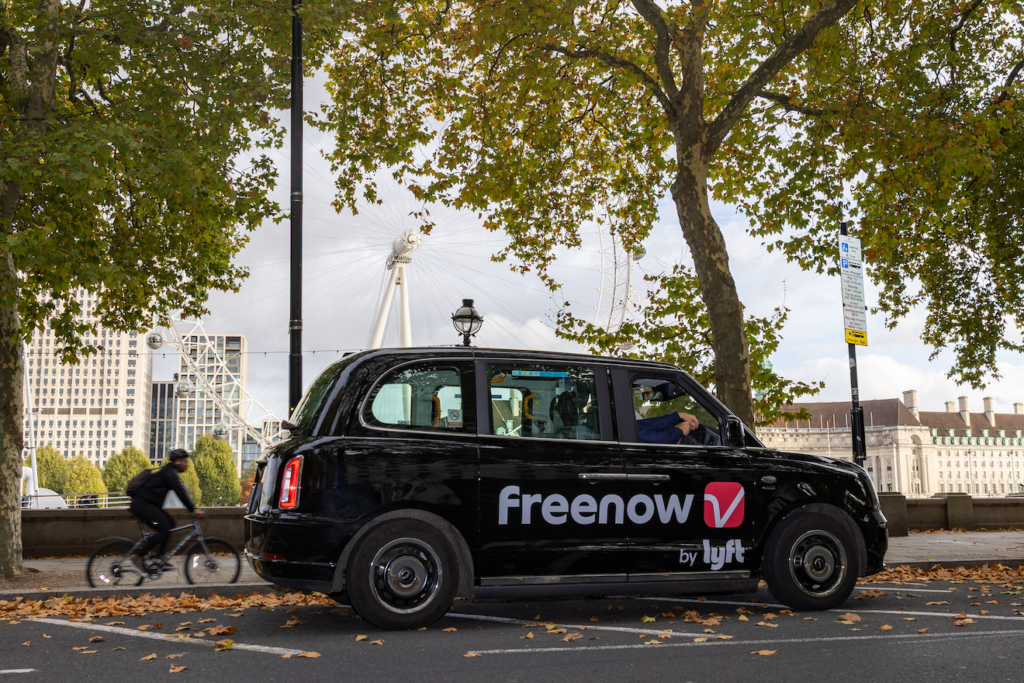
In terms of timelines, we’re following the regulatory guidelines – planning to launch a commercial service in London in 2027. There are quite a few steps to go through before that: a mapping phase and driver-in testing over a number of months, and then a short period of driver-out testing with no passengers.
We’ve also started doing polls to gauge how ready people are for these services. Not everybody sees it as the future, so we have work to do to earn that trust.
Lyft already has a lot of self-driving experience from the US…
Yes, Lyft has had a dedicated AV team in America for many years. They partner with Waymo in Nashville, May Mobility in Atlanta, and have built strong relationships with Baidu and Tensor. Our acquisition is part of their growth strategy, to expand into new locations and new mobility service tiers.
London is obviously a key part of this, particularly when it comes to AV, and we’re working closely with Baidu on the launch. It’s going to be highly competitive, with all the major players entering one very big city with over 100,000 private hire licenses and about 15,000 licensed black cab drivers.
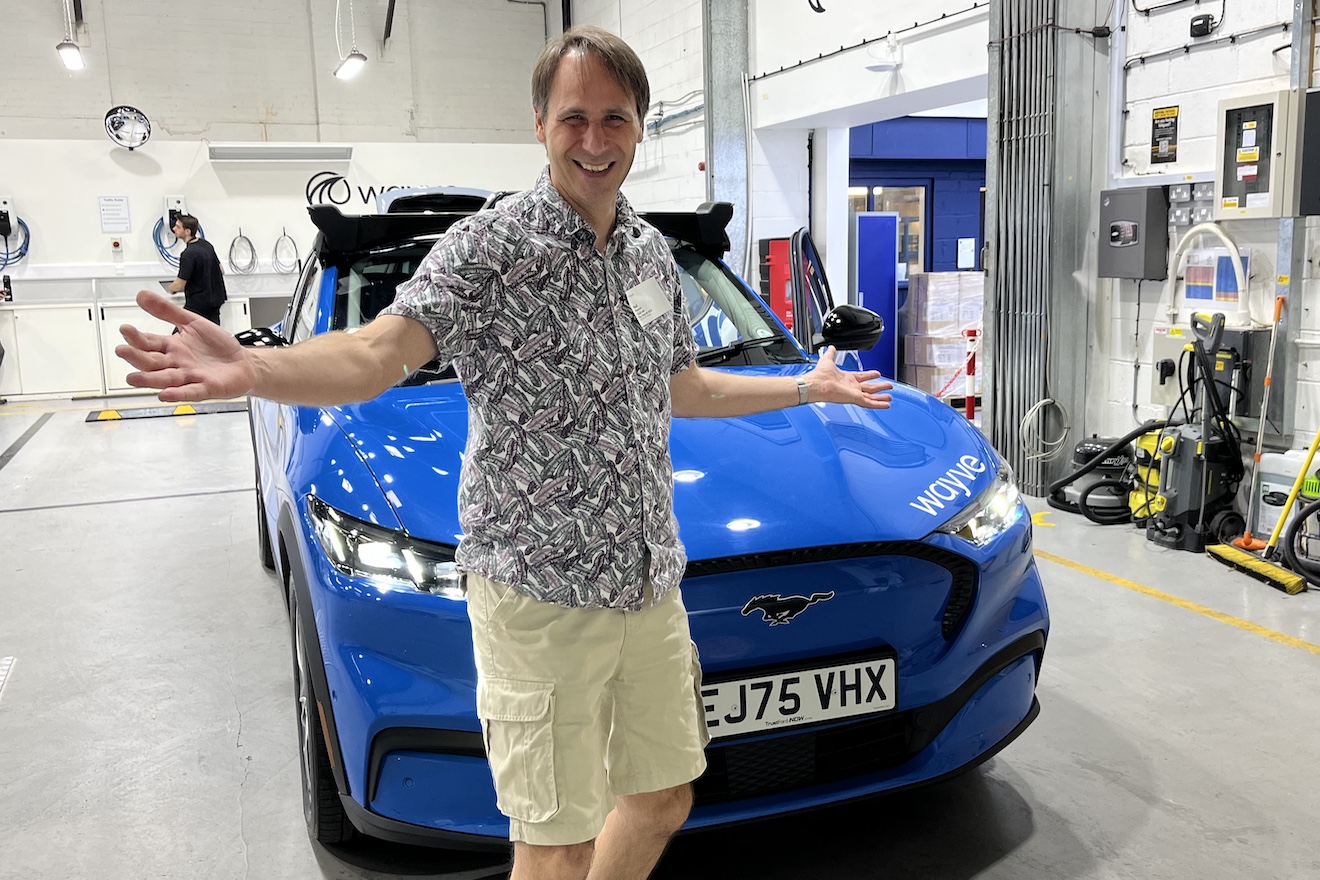
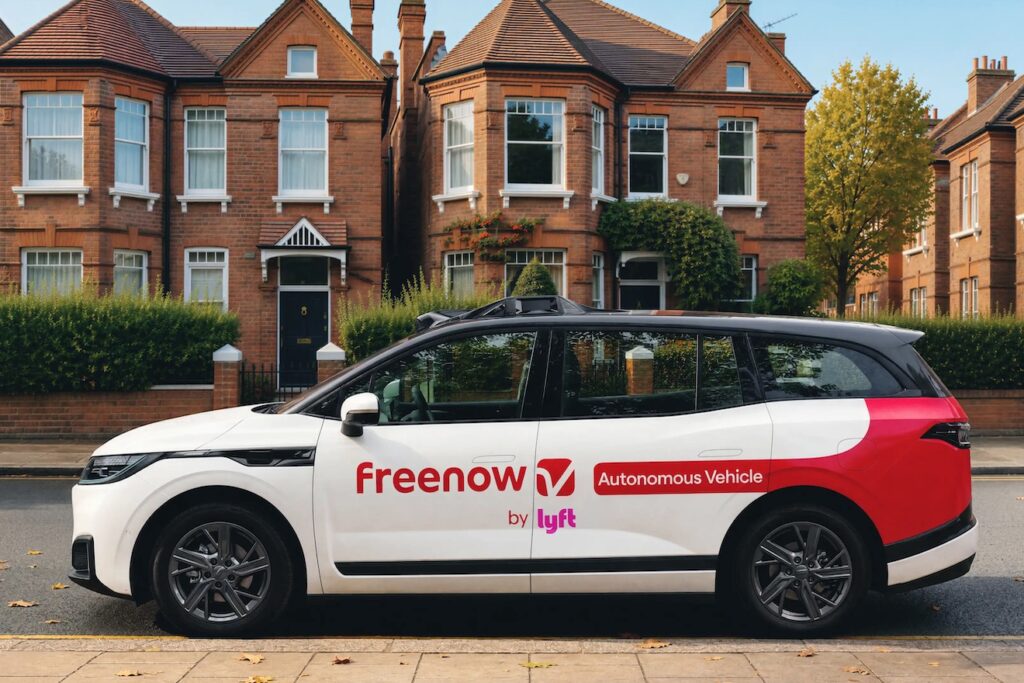
The first vehicle we’re officially testing here, Baidu’s Apollo Go RT6, is a really exciting car – custom-built for self-driving, which will deliver a great experience for passengers.
Being an established London operator is presumably a plus when it comes to working with regulators?
It’s certainly helpful that we’ve got licenses already in place. As a PHV and black cab operator in London, we have an established relationship with TfL and we’re very familiar with these kinds of processes.
Whilst the permits for an automated passenger service are granted by the national government, TfL has an important role in consenting, or not consenting, to any AV passenger services in London.
What about the rest of the UK – is expansion outside of the big cities part of your strategy?
That’s a good point. Over time, some rural communities could be very well served by AVs, but we’re still at the trial stage. At the outset, we need to be where there’s most demand, and where we already have an engaged user base, so for now our UK focus is very much on London.
Absolutely we’ll expand, taking a city-by-city approach, and eventually we’ll get to small towns and places where transport is less frequent and reliable. That’s several years away though, not just for us but for our competitors too.
Tell us about the impact of AVs in America – how have they affected the ride-hailing ecosystem?
From what we’ve seen in San Francisco, where Waymo and several other players have already launched, and where Lyft has a very strong ride-share presence, our business has been growing year-on-year.
Early data suggests AVs actually grow the rideshare pie. There’s the tech tourism side – people who want to be among the first to try them. Then there’s the fact that the new AV services increase availability at peak times – they work hand-in-hand with professional drivers, and it’s great for consumers because the overall capacity increases.
Bear in mind that AV projects are quite expensive, because of the capital expenditure. Over time, those costs will come down, and that will benefit the wider rideshare space.
How will you go about integrating automated driving into your existing services?
There’s so much potential in autonomous services. Within our company, across Europe, it’s the subject that gets people most excited. Anytime we share pictures of the cars or updates internally, it’s the stuff that gets the most love. It really drives motivation to be working at the cutting edge of the industry.
A big differentiator for us in the US is having Flexdrive as an independent subsidiary of Lyft. They manage thousands of vehicles and have built up a huge amount of fleet operational knowledge which transfers across extremely well to AVs.
They’re currently working on an amazing new facility in Nashville which will provide charging, cleaning and maintenance services for Waymo. It’s incredibly impressive how many vehicles it can handle and how quickly they can do things.
For the likes of Baidu or Tensor, great partner companies who are looking for local expertise, Flexdrive gives us a huge advantage, as well as control across different layers of the supply chain.
In the UK, we already have fleet partners on the black cab and PHV side who will naturally become small AV fleet owners, perhaps starting with 5, 10 or 20 cars, and growing over time. Working with us gives them the ability to future-proof their businesses ready for the 2030s.
Far from taking jobs, there’s evidence now of increasing job creation in self-driving…
Indeed. A lot is said about potential driver job losses but I’m not sure that’s true. Today, 50% of people who get a private hire license in London don’t stay in the job for more than a year, so there’s more than enough work to go around.
Initially, you’re going to see a hybrid network of human-driven vehicles alongside increasing job creation on the AV side. We’re already hiring specialists across various roles, including for our London depot, with former drivers being preferential candidates due to their knowledge of the industry. Just think how the supply chain will evolve – the growing fleet management needs, especially in repair and maintenance.
And wider societal benefits too…
Yes. As AVs become the norm, there will be massive positive knock-on effects for London and Londoners. Hire vehicles will be in constant use, not parked up, which will free up a huge amount of space, creating a clearer and cleaner environment.