Providing self-driving car news since 2019, Cars Of The Future is a trusted source on global and UK robotaxi trends.
Not so long ago, robotaxis were the stuff of sci-fi, and not always in a good way – think the iconic Johnny Cab in 1990’s Total Recall starring Arnold Schwarzenegger! 30 years later, they were science fact.
This key autonomy sector is moving rapidly towards commercialisation, with city-wide deployments planned in the US and China, and upcoming launches in London and Berlin.
Las Vegas is a world-leading robotaxi hotspot, with multiple brands testing. Waymo, the company formerly known as the Google Self-Driving Car Project, are there, as are Amazon’s Zoox and Hyundai’s Motional.
“The introduction of Waymo and its autonomous driving technology is not a science experiment, but rather a proven, safe, new alternative,” said Las Vegas Mayor, Shelley Berkley.
In 2016, NuTonomy was running a pilot in Singapore and Uber’s Advanced Technologies Group (ATG) was testing in Pittsburgh. In 2017, General Motor’s Cruise launched a beta trial for employees. In 2018, Waymo One launched.
The death of Elaine Herzberg in March 2018 was a tragic incident with far-reaching consequences. She died after being struck by an Uber test vehicle in Arizona. Some questioned the entire purpose.
They then suffered from overpromising. In 2020, Tesla CEO Elon Musk claimed: “Next year for sure, we will have over a million robotaxis on the road.” That didn’t happen.
The vision remained though, with Musk telling investors and the financial press in 2021: “The value of a fully electric autonomous fleet is gigantic… one of the most valuable things that’s ever done in the history of civilization.”
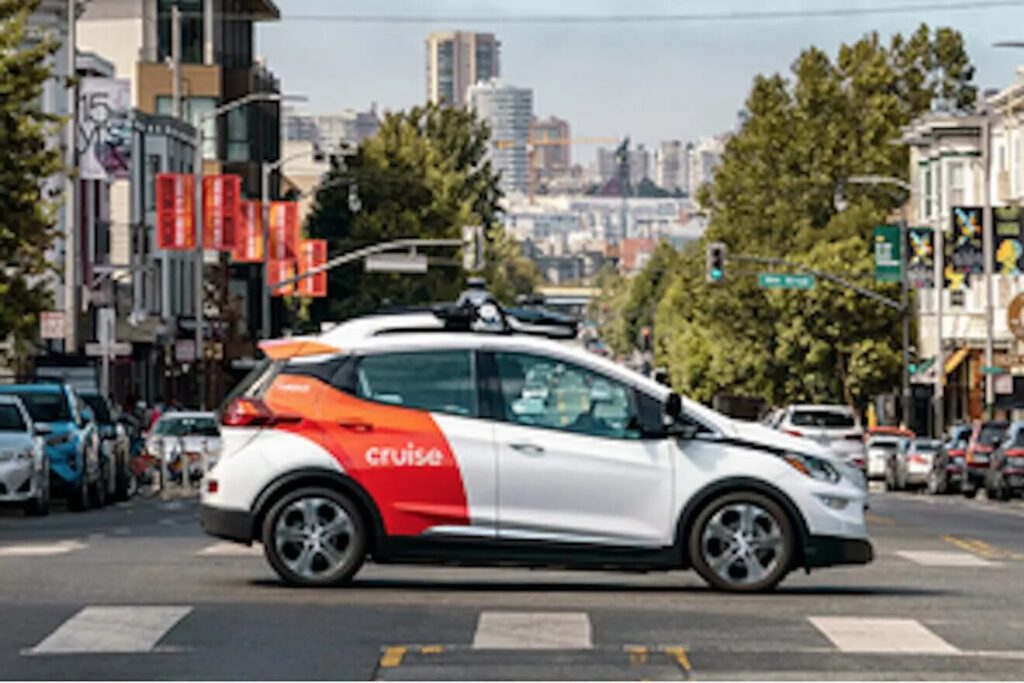
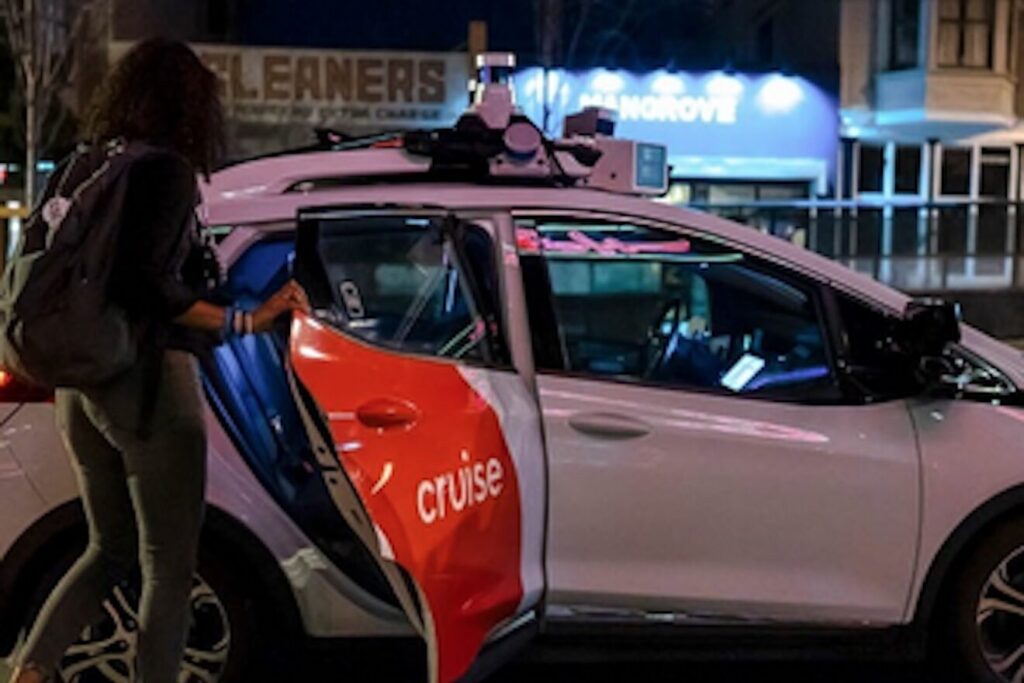
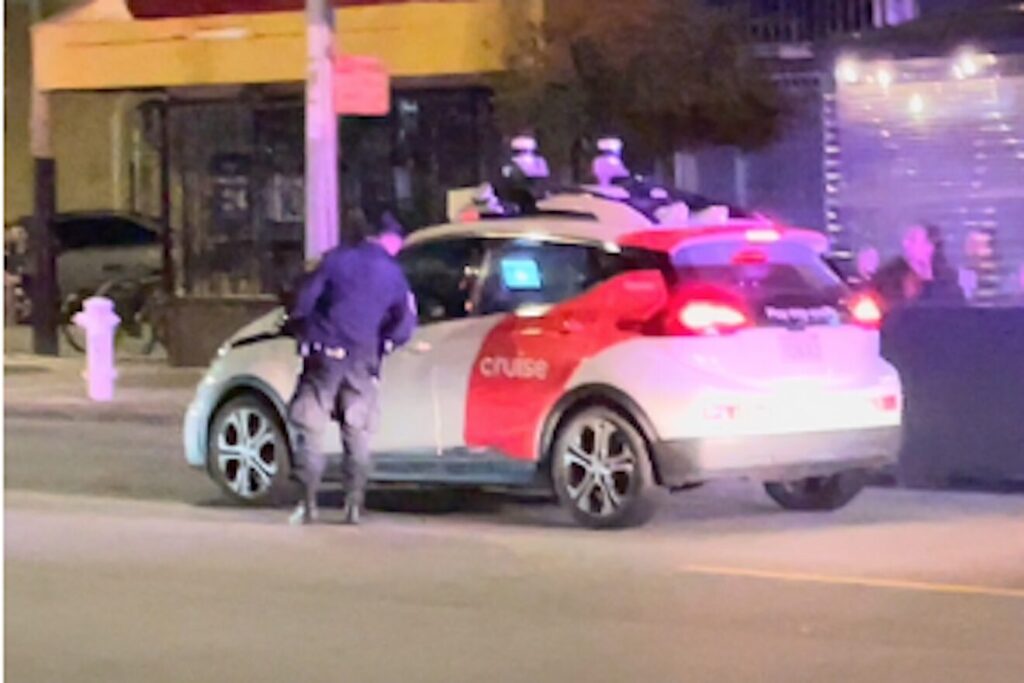
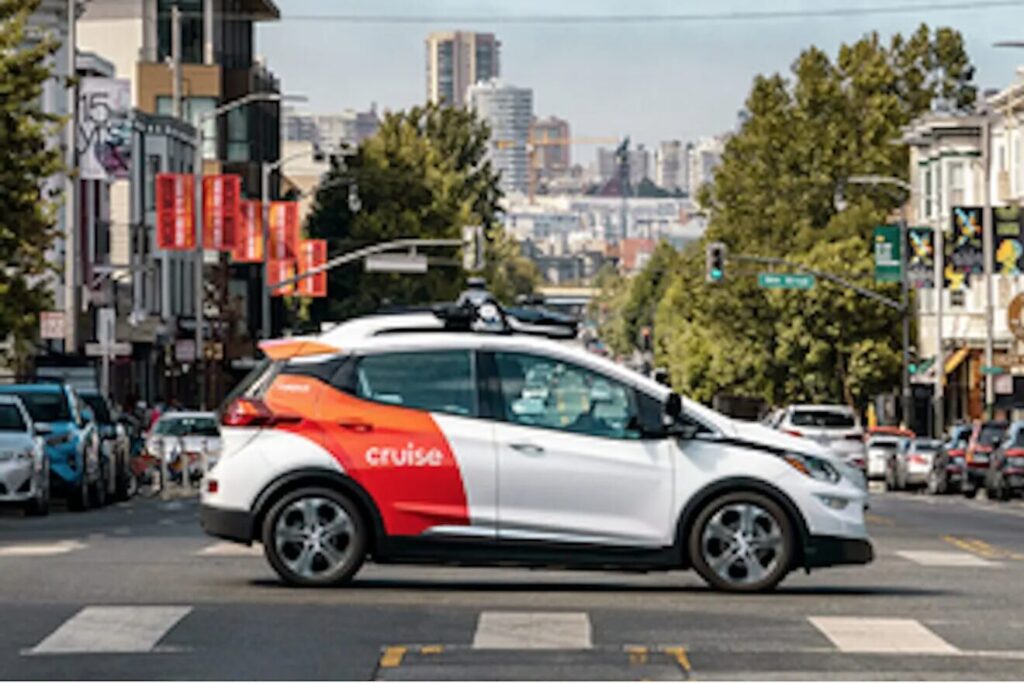
Leading the way, notably in San Francisco, brought unique challenges and scrutiny for GM’s Cruise. 2022’s “Ain’t nobody in it” police stop video went viral. Worse was to come.
In October 2023, a Cruise robotaxi struck a pedestrian following a hit-and-run by a human-driven vehicle. The implications were serious. California Department of Motor Vehicles suspended their permit, leaving Waymo as the clear market leader.
Winner of our inaugural Consumer Service award, backed by Alphabet’s vast resources (annual estimated revenue US$400 billion in 2025), as of early 2026, Waymo One was completing over 400,000 paid rides a week in the US.
Its 1,500-strong fleet consists of modified Jaguar I‑PACE, Hyundai Ioniq 5 and Zeekr cars. In 2026, it launched its 6th-Generation Waymo Driver software and hardware system, including lidar sensors, radar, cameras, custom maps and artificial intelligence (AI).
Now shifting from “experimentation to scale”, Waymo launched a commercial robotaxi service in Miami in January 2026, and plans to launch its premium app-based service in London.
In terms of competitors, Zoox, founded in 2014, has been part of Amazon (annual revenue US$637 billions in 2024) since 2020.
In a key milestone, December 2020 saw Zoox unveil its purpose-built, fully autonomous, bidirectional shuttle, known colloquially as “the toaster”.
“2025 was an important year,” said CEO Aicha Evans. “We surpassed 1 million autonomous miles with our robotaxi fleet. We opened our first serial production facility in the US. Next year will bring scale. More vehicles. More riders.”
Another notable robotaxi operator is Motional, a joint venture between Hyundai and technology supplier Aptiv. Operating in markets as diverse as Singapore and Los Angeles, it has partnerships with Lyft and Uber. Naturally, it uses modified Hyundai IONIQ 5 cars.
Widely referred to as “China’s Google”, Baidu (estimated annual revenue US$18.24 billion in 2024) operates the Apollo Go ride-hailing service. It also has partnerships with Uber and Lyft, and is reportedly delivering over 250,000 autonomous rides per week in Wuhan, Beijing and Chongqing.
Led by our 2023 Person of the Year, Alex Kendall, London-based Wayve’s AI Driver has been tested in multiple cities, over 500 in fact.
Backed by big-name investor partners Microsoft and NVIDIA, in February 2026 it raised US$1.2 billion from a new funding round led by Eclipse, Balderton and SoftBank. With home advantage, Wayve will soon progress to live robotaxi trials in London with Uber.
“Autonomy will not scale through city-by-city robotaxi deployments alone,” said Kendall. “It will scale through a trusted platform that automakers and fleets can deploy globally and improve continuously.”
Nissan plans to offer a robotaxi trips in Japan from 2027. Here, supported by the UK government, the £3.5m evolvAD project, which it leads, has been extended “To provide critical insights to policymakers and urban planners”.
Operating in Austin, Texas, in 2026, Tesla robotaxi faced criticism on various fronts – from potentially misleading claims regarding its unsupervised status, to its reliance on vision-only. Can it be said their test vehicles operate genuinely if there’s a chase car following closely behind?
Stage 4 automation enables a robotaxis to operate safely without human intervention in specific scenarios or environments, known as the operational design domain (ODD). This is according to the SAE International scale, from Level 0, fully manual, to Level 5, full autonomy.
Beyond concerns about smoke and mirrors, lack of training, any human safety net, pricing, or the use of chase vehicles, in 2026, robotaxi critic Michael DeKort strongly asserted that: “No one has seen ANY meaningful data by design from anyone.”
An important development in autonomous vehicle standards came in early 2026, from the United Nations Economic Commission for Europe. Its proposed Global Technical Regulation states that “Manufacturers must demonstrate that the ADS is free from unreasonable risk”.
In 2025, editor Neil Kennett was highly commended by The Guild of Motoring Writers (GOMW) for “Features that are valued by specialists, yet also interesting and easily accessible to non-specialists”. We’ll continue to carry vital news and views on robotaxis as rollout accelerates over the next decade.
Signup for free weekly self-driving news!